
Home
Meet the Team

Why Partner With Us

Home Search
Home Valuation
Communities
Testimonials
New Developments
Commercial
Video Gallery
Blog

Contact Us
If you’re thinking about Greenpoint, you’re probably trying to answer a simple question with a not-so-simple answer: what does day-to-day life there actually feel like? This Brooklyn neighborhood has a reputation for being stylish, creative, and waterfront-adjacent, but it also has a long industrial history and a very lived-in residential side. If you want a clearer picture of how Greenpoint functions beyond the headlines, this guide will walk you through the housing mix, daily routine, transit, and neighborhood atmosphere. Let’s dive in.
One of the biggest things to understand about Greenpoint is that it does not feel the same on every block. According to a City Planning rezoning report, many blocks east of McGolrick Park were characterized by 2- to 4-story attached houses and apartment buildings, along with some 5- and 6-story buildings. The same report ties the area’s early growth to waterfront industries like shipbuilding, metal and glass production, and oil and sugar refining.
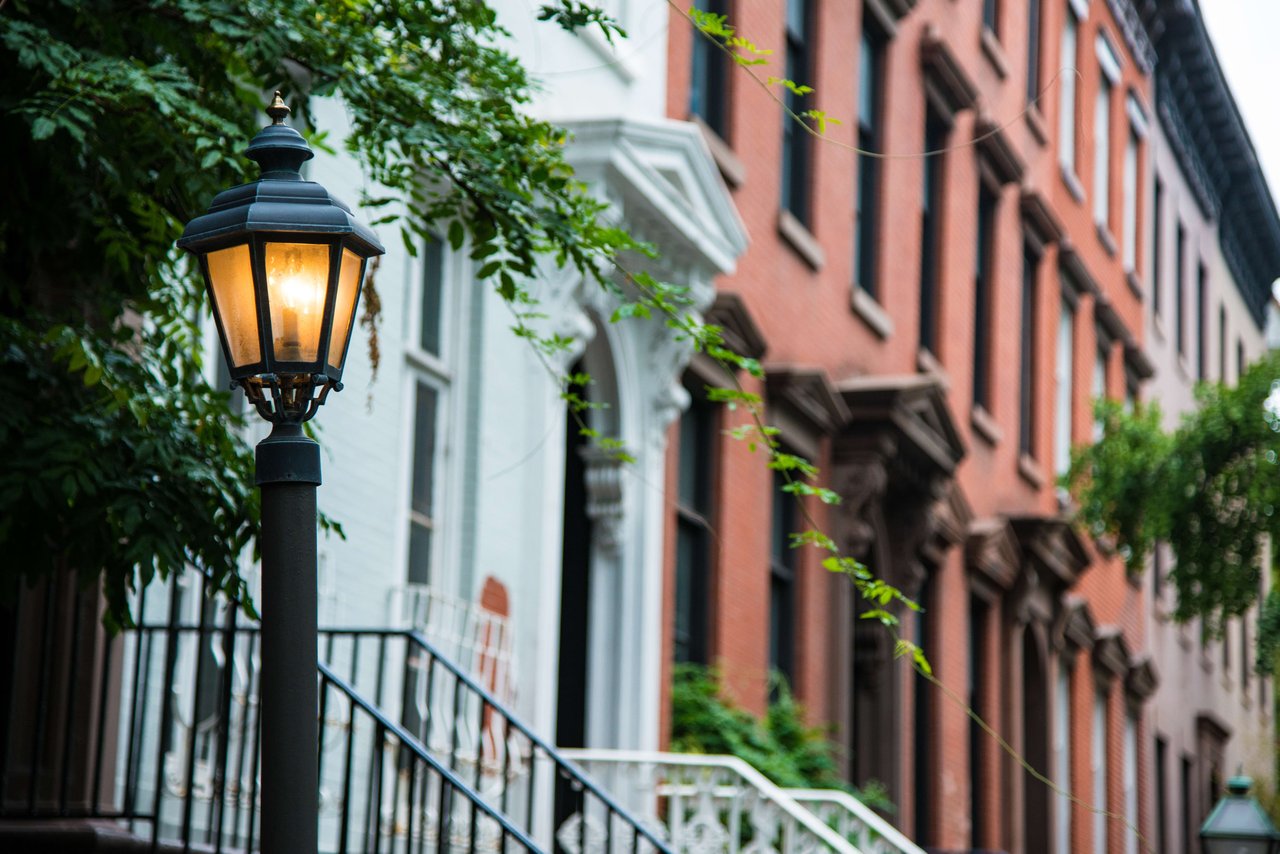
That older neighborhood fabric is still part of the experience today. The Greenpoint Historic District was designated in 1982 and is associated with 19th-century brick rowhouses connected to the neighborhood’s waterfront economy. In practical terms, that means many interior blocks still feel rooted in Greenpoint’s earlier residential identity.
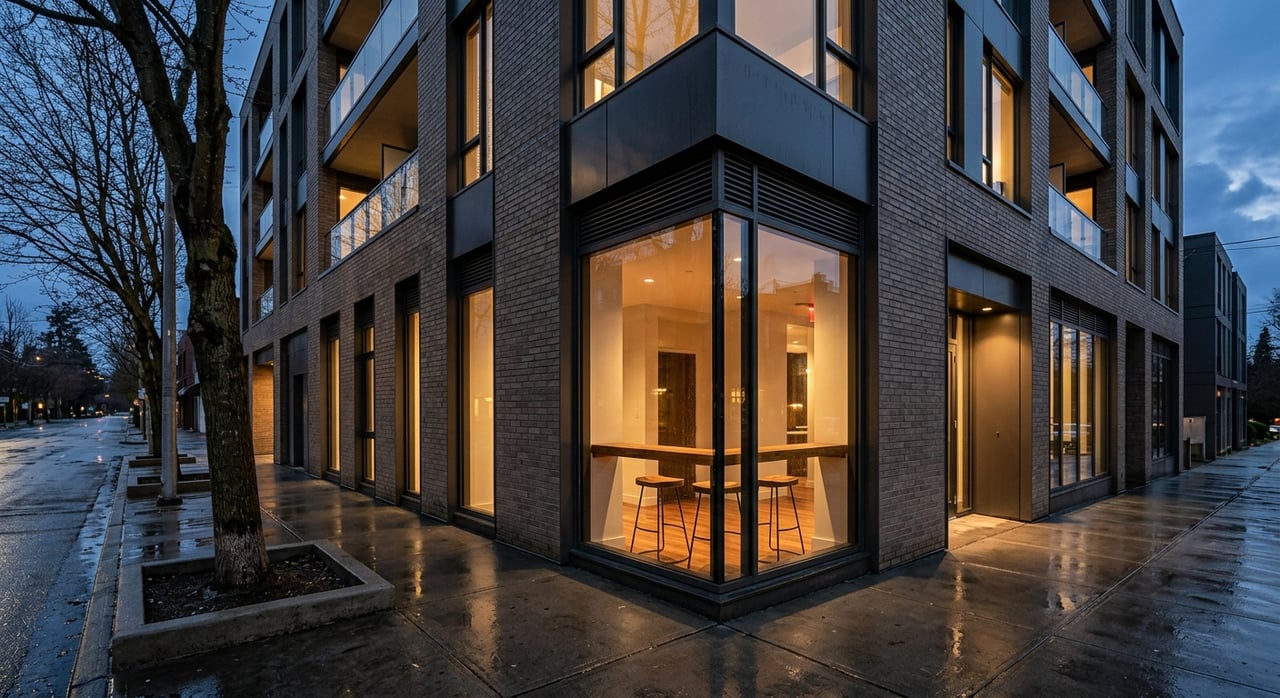
At the same time, the neighborhood has clearly changed along the waterfront. City Planning said the 2005 Greenpoint-Williamsburg rezoning aimed to preserve neighborhood scale while encouraging affordable housing and medium-density growth. More recently, NYC HPD said the larger Greenpoint Landing project is planned to include about 5,500 apartments and five acres of public open space, and that 35 Commercial Street opened 374 permanently affordable homes in 2024.
If you spend time in Greenpoint, you’ll notice a real difference between the interior streets and the waterfront edge. Based on the housing and land-use pattern documented by the city, the neighborhood generally feels more historic and low-rise on many inland blocks, while the waterfront reads newer, denser, and more recently developed.
That contrast is a big part of Greenpoint’s identity. You are not choosing between an entirely preserved historic neighborhood or an entirely new waterfront district. You are stepping into a place where both conditions exist side by side.
Greenpoint works well for people who like neighborhoods where daily errands are woven into the street grid. City Planning identified corridors like Manhattan Avenue, Driggs, Nassau, Graham, Metropolitan, Grand, and Franklin as places where ground-floor commercial uses are common. That helps explain why everyday life can feel convenient and neighborhood-based instead of spread out.
In plain terms, you can often handle a lot of your routine without needing to turn it into a major trip. Coffee, groceries, casual meetups, and small errands tend to sit close to residential blocks rather than in one separate retail zone.
Greenpoint has an established café rhythm that supports real neighborhood use, not just destination visits. Official business pages show Kaleidoscope Coffee on Nassau Avenue, Sweetleaf’s Greenpoint roastery café, Café Grumpy’s Greenpoint location and roastery, and Van Leeuwen’s Greenpoint shop at 620 Manhattan Avenue. Van Leeuwen also notes that its R&D kitchen began in Greenpoint in 2008.
That matters because café culture often tells you a lot about how a neighborhood lives day to day. In Greenpoint, the options are broad enough that grabbing coffee or meeting a friend can feel like part of your normal routine rather than a special outing.
Outdoor space is one of the strongest parts of everyday life in Greenpoint. WNYC Transmitter Park offers a waterfront esplanade, overlook, lawn, play area, fishing pier, and skyline views. It is one of the neighborhood’s clearest examples of how the waterfront is now part of daily public life.
For a different feel, NYC Parks describes Msgr. McGolrick Park as quieter, shaded, and dog-friendly. If you want something larger and more active, McCarren Park spans 35 acres and includes a pool and play center, plus the year-round Saturday Greenmarket that has served Greenpoint and Williamsburg since 1997.
These parks give Greenpoint a wider range of moods than some people expect. Depending on where you go, your weekend can feel calm and residential or social and active.
Greenpoint’s waterfront is not polished in a generic way. In several parts of the neighborhood, it still carries a working-edge character that reflects local infrastructure and industrial history. That is especially visible near Newtown Creek.
The Newtown Creek Nature Walk is a half-mile public waterfront esplanade completed in 2021. NYC DEP has also said its 2025 Gateway to Greenpoint project is adding new open space and stormwater infrastructure near the walk, while the agency notes that the Newtown Creek Visitor Center is the only place in the five boroughs where visitors can experience NYC water infrastructure.
That combination is part of what makes Greenpoint feel specific. You get open space and waterfront access, but you also see that the neighborhood still has a real industrial context rather than a fully softened one.
A lot of buyers and renters want to know whether Greenpoint feels peaceful or energetic. The most accurate answer is both. The neighborhood’s interior streets are relatively low-rise and residential, while parks, market activity, the ferry landing, and commercial corridors bring more movement to certain pockets.
This blend is one reason Greenpoint appeals to people who want options within the same neighborhood. You can have stretches of quieter residential streets and still stay close to active public spaces and everyday amenities.
Greenpoint makes the most sense if you like a transit-first lifestyle. The neighborhood’s subway backbone is the G train. The current MTA G line map shows Greenpoint Av at Manhattan Ave and India St/Greenpoint Ave as ADA accessible, while Nassau Av at Manhattan Ave and Nassau Ave/Norman Ave is another local stop.
The neighborhood is also served by the NYC Ferry East River route, which connects Greenpoint to Wall St/Pier 11, DUMBO, South Williamsburg, North Williamsburg, East 34th Street, and Hunters Point South. During weekday peak hours and non-winter weekends, the route splits into East River A and B, with Greenpoint on the B pattern.
City Planning also notes that multiple bus lines connect Greenpoint to Brooklyn, Queens, and Manhattan. Taken together, the transit picture suggests a neighborhood that works especially well if you prefer walking, trains, buses, and ferry service over car-dependent living.
Greenpoint is not just a place where people sleep between commutes. It has visible community infrastructure that adds depth to neighborhood life. That includes arts programming, library events, markets, and waterfront spaces that invite regular use.
For example, Greenpoint Open Studios says hundreds of artists and designers will open their studios to the public on May 30-31, 2026. The Greenpoint Art Circle also describes itself as a nonprofit community for visual artists in and around Brooklyn.
The Greenpoint Library and Environmental Education Center also goes beyond the standard branch model. Brooklyn Public Library says the building includes lab spaces, a large event space, accessible green roofs, and an environmental education mission. Its Greenpoint Environmental History Project also documents local environmental history through oral histories and scanned materials, and recent calendar listings show continued repair-focused programming and plant giveaways in 2026.
This is part of what gives Greenpoint its social texture. You are not only surrounded by residences and retail. You are also in a neighborhood where public-facing cultural and civic spaces remain part of ordinary life.
Living in Greenpoint means being in a neighborhood with clear contrasts that somehow fit together. You get historic rowhouse context and newer waterfront development. You get coffee shops, park loops, and market stops that support a local daily routine. You also get transit access, public waterfront space, and reminders of the area’s industrial past.
For many people, that mix is the draw. Greenpoint does not feel overly uniform or overly manufactured. It feels layered, active in the right places, residential in others, and well-suited to people who value walkability, public space, and a neighborhood with a strong sense of place.
If you’re exploring Brooklyn and nearby commuter-friendly markets across the New York and New Jersey corridor, JC Luxury Group can help you make sense of the lifestyle, housing options, and market context so you can move with confidence.
Are you interested in buying or selling a home? Look no further than working with our real estate experts.