
Home

Meet the Team

Why Partner With Us

Home Search
Home Valuation

Communities
Testimonials
New Developments

Commercial
Video Gallery
Blog

Contact Us

Torn between Weehawken and Hoboken for a Hudson River lifestyle? You want the views, the commute options, and the right neighborhood energy without second‑guessing your choice. This guide compares both waterfronts side by side so you can match your routine, budget, and priorities to the place that fits best. Let’s dive in.
Data snapshot (verify before you buy)
- Population: Weehawken 17,197 (2020); Hoboken 60,419 (2020). Sources: U.S. Census QuickFacts for Weehawken and Hoboken.
- Median household income (2019–2023): Weehawken ≈ $122,653; Hoboken ≈ $176,943. Source: Census QuickFacts (same links above).
- Typical home value (ZHVI, Zillow, through Jan 31, 2026): Weehawken ≈ $842,978; Hoboken ≈ $834,359. ZHVI is a home value index, not a sale price.
- Median listing price (Realtor.com, Dec 2025): Weehawken ≈ $950,000. Median listing price differs from ZHVI.
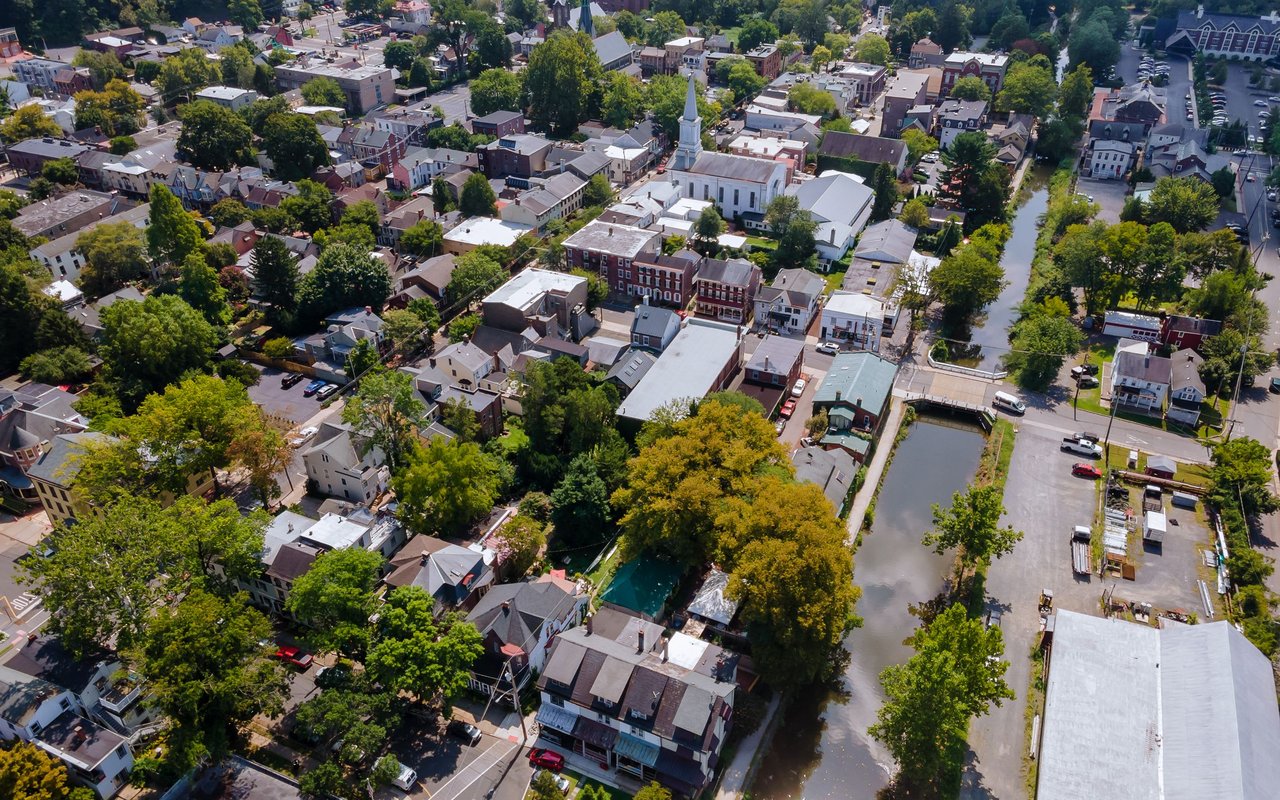
Weehawken’s waterfront clusters around Lincoln Harbor and Port Imperial, directly across from Midtown Manhattan. Port Imperial is a transit hub with ferries and the Hudson‑Bergen Light Rail. Hoboken’s waterfront runs from the Hoboken Terminal area north to the Weehawken border and ties into a compact grid with many retail blocks and parks.
Quick mental map:
Both towns are part of the Hudson River Waterfront Walkway, a public promenade planned to be continuous along the Hudson’s west bank. Hoboken has many completed segments that connect parks and piers, while Weehawken’s most active segments concentrate around Lincoln Harbor and Port Imperial. Review the Hudson River Waterfront Walkway plan to see current and planned stretches.
You’ll see two distinct patterns along the water.
Expect modern, master‑planned condo towers and mid‑rises with amenities like doorman service, fitness centers, pool decks, and on‑site parking. The Port Imperial and Lincoln Harbor area functions as an intermodal node with ferry, HBLR, and bus links. Representative examples include Riva Pointe near Lincoln Harbor and Hamilton Cove along Harbor Boulevard, which illustrate the amenity‑rich, resort‑style vibe common to the area. Always verify specific amenities and policies with current building materials.
Hoboken blends historic brick rowhouses and converted lofts with large, full‑service waterfront buildings. You can find amenity‑forward complexes like the Hudson Tea buildings and Maxwell Place with pools, concierge services, and direct promenade access. Many blocks also sit a short walk from Washington Street’s dining and everyday services.
Use these day‑in‑the‑life scenes to sense the difference.
You start the day with coffee and skyline views, then walk to Port Imperial for the ferry to Midtown. After work, you pick up groceries at Whole Foods Market in Lincoln Harbor, take a jog along the river path, and enjoy a quieter evening scene by the marina. Weekends mean light‑rail trips to Hoboken or Jersey City for more dining, then back home to calmer paths and unobstructed views.
You step onto the Hudson River promenade for a quick run, then head to Hoboken Terminal for PATH to Midtown or Downtown. After work, you stroll Washington Street for dinner or grab takeout for a sunset picnic at Pier A or Frank Sinatra Park. Your everyday routine leans heavily on walkable errands and an active dining scene.
Both towns offer strong, redundant options. Your best fit depends on your destination.
| From | To | Mode | Typical advertised time | Notes |
|---|---|---|---|---|
| Port Imperial (Weehawken) | Midtown W 39th St | NY Waterway ferry | As low as ~8 min | Check live schedules; Manhattan shuttles available |
| Hoboken Terminal | 33rd St (Midtown) | PATH | ~14 min | One‑seat rail ride; verify current service |
| Weehawken/Hoboken | Downtown Manhattan | Ferry/PATH | Varies by terminal | Weekday Downtown ferries; PATH via transfers |
| Weehawken | Midtown by car | Lincoln Tunnel | Highly variable | Peak congestion can be heavy |
Times depend on route, schedule, and conditions. Always confirm live service before commuting.
Waterfront living means tracking elevation, flood zones, and resiliency work. Hoboken has advanced multiple resiliency investments, including new park projects such as Maritime Park. Regionally, resilience planning is ongoing across North Jersey. Review public guidance like the Resilient NJ action plan, and check FEMA flood maps, municipal plans, and your lender’s flood‑insurance requirements for any specific address.
Both towns operate local public school systems. For programs and enrollment details, start with Hoboken Public Schools and look up Weehawken’s district information and school resources. As a reference point for local initiatives, see Weehawken High School’s profile in Sustainable Jersey for Schools’ certification listings: Weehawken High School certification summary. Always verify current school boundaries for a specific property.
Property taxes and HOA or condo fees vary by building and year. Ask for the latest municipal tax bill and association statements, and review what is included in common charges such as parking, amenities, and utilities.
Choose Weehawken if you want newer, amenity‑rich buildings, a calm waterfront feel, and direct ferry access that favors Midtown. Choose Hoboken if you value a lively, walkable grid with many parks and restaurants, plus a one‑seat PATH ride to Midtown. Both are excellent bases for hybrid work and city access along the Hudson.
If you want help comparing specific buildings, HOA details, and real‑time commute options, connect with JC Luxury Group to zero in on the right address.
Are you interested in buying or selling a home? Look no further than working with our real estate experts.