
Home
Meet the Team

Why Partner With Us
Home Search
Home Valuation
Communities
Testimonials
New Developments
Commercial
Video Gallery
Blog
Contact Us
Choosing between Williamsburg’s waterfront and its interior blocks is not just about how close you are to the East River. It is really a question of lifestyle, housing type, daily convenience, and how much value you want from every dollar. If you are trying to decide where your money goes further in Williamsburg, understanding those tradeoffs can help you buy with more confidence. Let’s dive in.
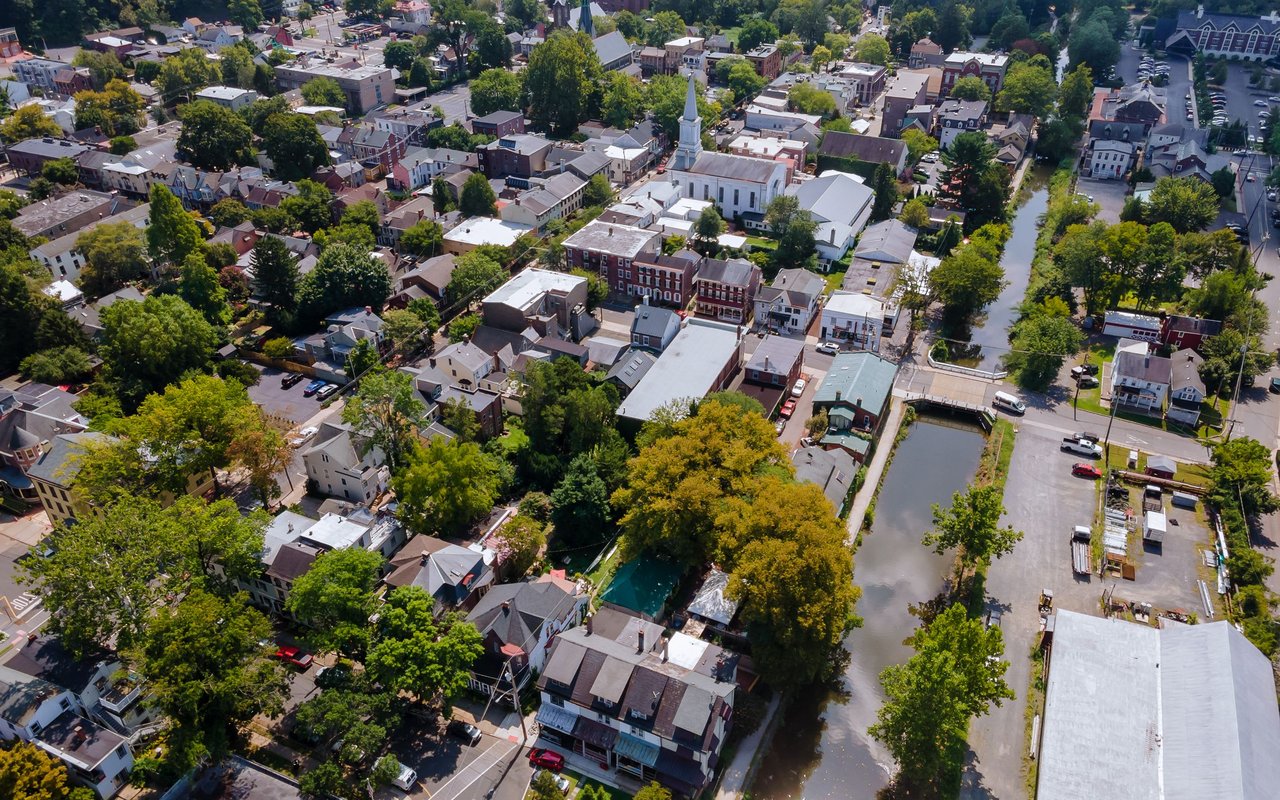
One of the biggest mistakes buyers make is treating Williamsburg like a single-price neighborhood. It is not. City planning documents and current market data both show that Williamsburg includes very different housing environments, from the large-scale waterfront edge to older residential and mixed-use interior blocks.
That helps explain why pricing can swing so sharply within the same neighborhood. Recent data show a Williamsburg median sale price of $1.2 million and a median price per square foot of $1,311, which is well above Brooklyn’s $850,000 median sale price. In other words, Williamsburg is expensive overall, but where you buy within Williamsburg still matters a lot.
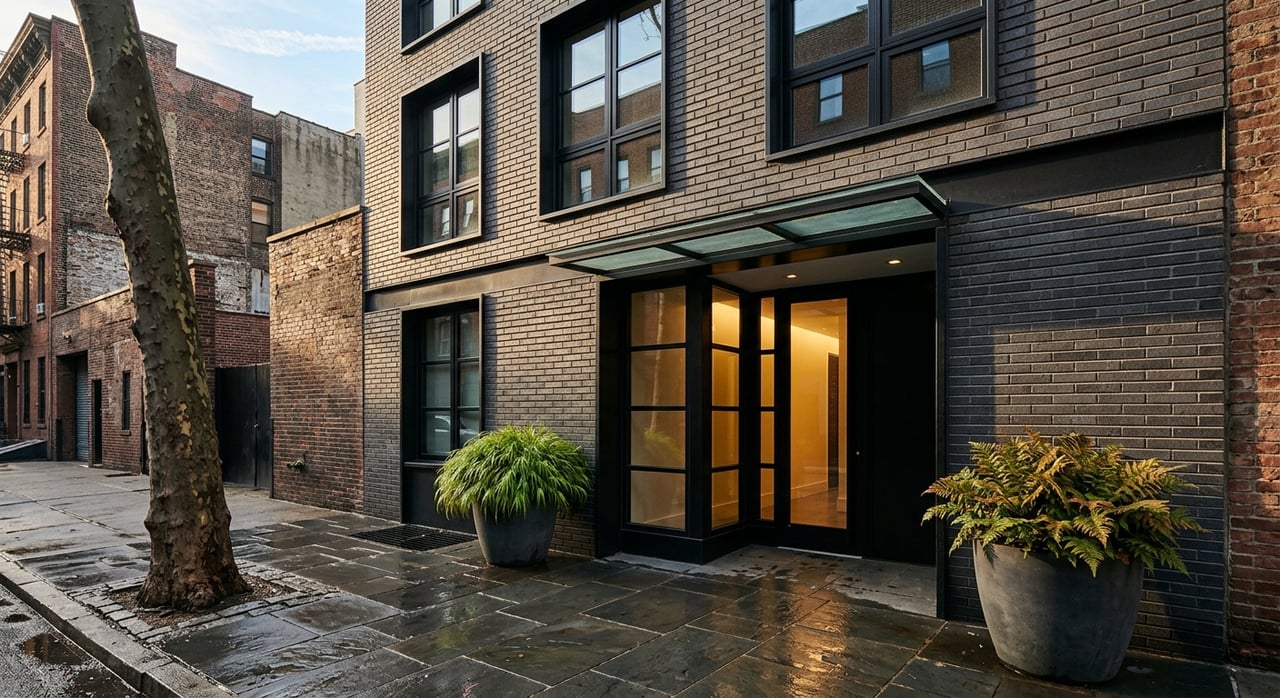
Waterfront Williamsburg offers a more newly built, amenity-driven living experience. The East River edge was planned as a former industrial waterfront reconnected to the city through mixed housing, public access, and open space, which is why this part of the neighborhood feels more programmed and large-scale.
In practical terms, waterfront buyers are often paying for a package. That package can include river views, newer construction, building amenities, park access, promenades, and ferry service from North Williamsburg and South Williamsburg. Bushwick Inlet Park also plays a major role in the public open-space appeal of the waterfront.
For many buyers, that lifestyle is the point. If you picture mornings near the river, a more polished condo environment, and an extra commuting option beyond the subway, the waterfront can be a strong fit.
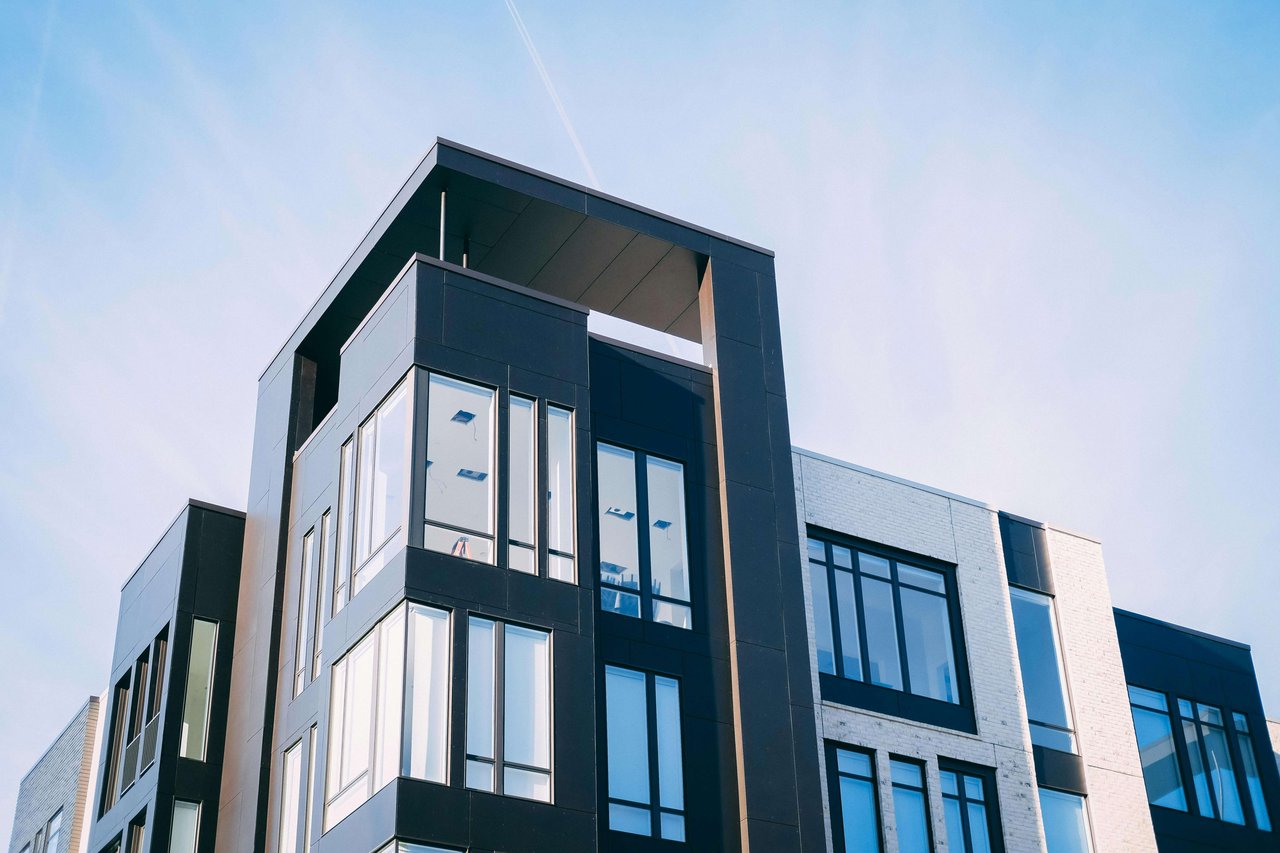
The housing stock along the waterfront tends to lean toward newer condo buildings and redeveloped former industrial sites. That is very different from the lower-rise, older-building feel you find farther inland.
This distinction matters because you are not just comparing locations. You are often comparing very different product types, ownership experiences, and monthly carrying costs.
The waterfront has a clear advantage if you value open space and ferry access. NYC Ferry’s East River route serves both North Williamsburg and South Williamsburg, giving residents another option for getting around.
That does not automatically make it more convenient for everyone. Ferry access is great for some routines, but many day-to-day trips in Brooklyn and Manhattan still depend on where you are relative to subway service, errands, and your usual destinations.
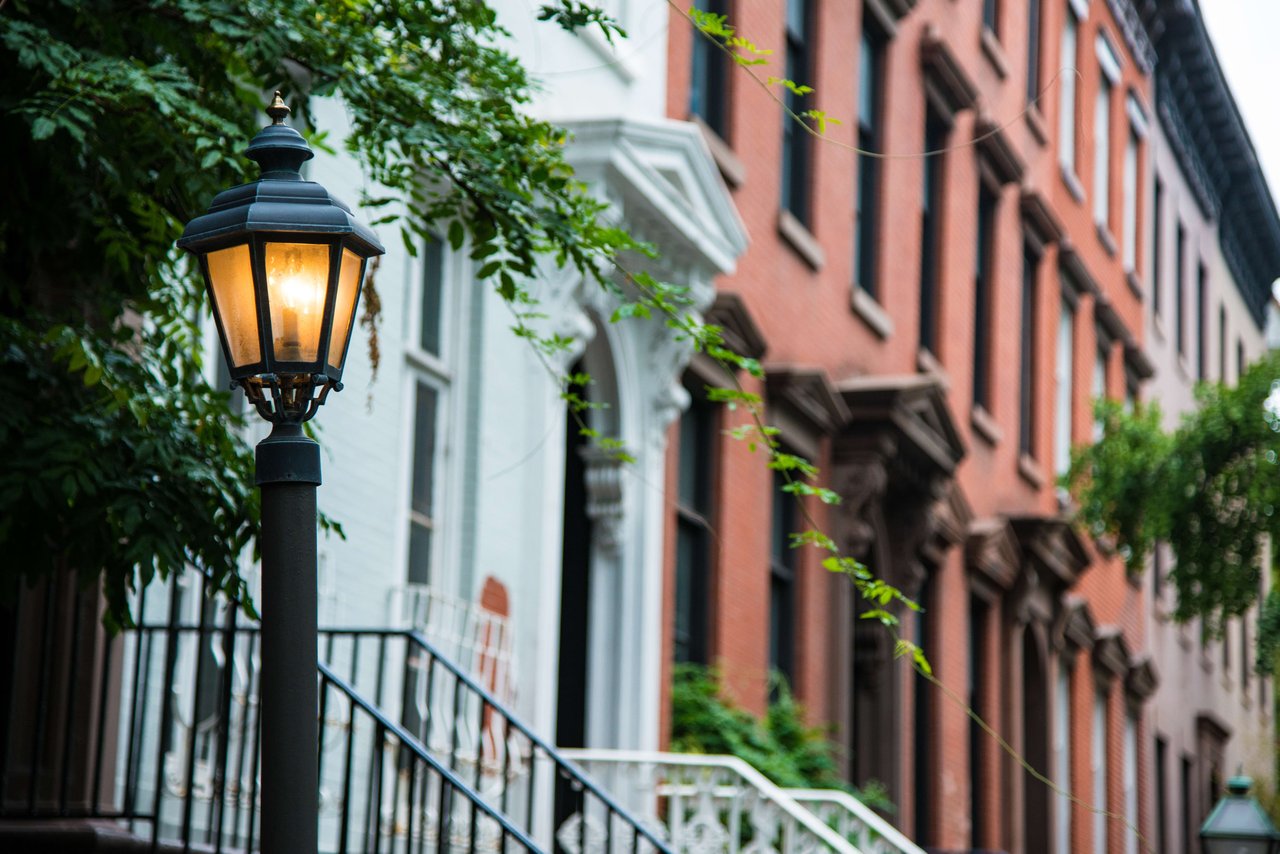
Interior Williamsburg offers a different kind of appeal. Planning documents describe older residential buildings along streets like Berry Street, Wythe Avenue, and Grand Street, plus loft conversions and mixed-use blocks near the Bedford Avenue L station.
For buyers, that usually translates into a more neighborhood-scale experience. Instead of a continuous stretch of glassy condo product, you are more likely to find older walk-ups, co-ops, townhouse-style homes, and converted loft spaces. That variety can create more choice in both price and living style.
The interior has a broader mix of building forms than the waterfront. That can matter if you are open to older homes, want more character, or prefer something that feels less like a full-service condo environment.
It can also matter for value. Because interior Williamsburg is not defined by one dominant housing type, buyers often find more variation in what they can buy for the same budget.
If your routine depends on subway access, interior Williamsburg may feel more practical. The L line serves Bedford Avenue, Lorimer Street, Graham Avenue, Grand Street, Montrose Avenue, and Morgan Avenue, while the G line serves Lorimer Street and Metropolitan Avenue.
That broad subway access is one reason interior blocks often appeal to buyers who prioritize everyday movement over a view-driven lifestyle. If your week includes frequent crosstown stops, quick errands, and a lot of neighborhood-based living, the interior can feel more efficient.
If you are comparing waterfront versus interior Williamsburg, value is not just about buying the cheapest option. It is about understanding what you get for the premium and whether it matches how you actually live.
The waterfront typically commands more because it offers newer product, amenity packages, view corridors, and a riverfront setting. Planning documents also note that waterfront sites face higher development costs tied to infrastructure, environmental remediation, the high water table, and public-access requirements. Those factors help support the pricing premium.
Interior Williamsburg often speaks to buyers who want more neighborhood texture and potentially better value per dollar. You may give up certain amenities or sweeping views, but you may gain more housing variety, stronger subway dependence, and a more traditional residential rhythm.
Williamsburg’s pricing spread is wide enough to prove the point. Recent asking prices in the neighborhood range from $550,000 at 242 South Second Street #21 to $3,999,999 at 480 Kent Avenue, with other examples such as $3,200,000 at 8 South 4th Street #30A and $1,975,000 at 8 South 4th Street #4A.
These are asking prices, not closed sales, but they clearly show how much building type, block, and views can influence value. Two homes in Williamsburg can offer completely different ownership experiences, even when they are only minutes apart.
Closed-sale data also show meaningful variation across parts of Williamsburg. In Brooklyn finance records, Williamsburg-North one-family homes posted a median sale price of $3.275 million, while Williamsburg-East one-family homes were $2.3525 million and Williamsburg-Central one-family homes were $950,000. Those figures should be read directionally because some slices have limited sale counts, but they reinforce how block-by-block this market can be.
The waterfront may make more sense if your priorities look like this:
For the right buyer, that premium can be worth it. The key is being honest about whether you will use and value what you are paying for.
Interior Williamsburg may be the better match if your priorities look more like this:
That does not mean the interior is cheap. Williamsburg remains one of Brooklyn’s most expensive neighborhoods. But it can offer a different balance between price, convenience, and character.
If you are buying for the long run, the decision should go beyond first impressions. Waterfront ownership can be compelling, but buyers should also evaluate flood exposure, building resiliency measures, and insurance implications.
That is especially important because New York City climate guidance says waterfront communities face rising coastal flood risk as sea levels rise and storm intensity increases. In other words, the waterfront premium is real, but so are the long-term questions you should ask before committing.
Interior blocks may avoid some of those waterfront-specific concerns, but they still require careful analysis around building condition, maintenance, and the specifics of the co-op, condo, or townhouse you are considering. In Williamsburg, micro-location and product type often matter as much as the neighborhood name itself.
Williamsburg remains a high-demand market, and that demand helps support pricing across both waterfront and interior product. Brooklyn Community Board 1 reports a median household income of about $88,000 in the district, while nearly 48 percent of renter households are rent-burdened.
That backdrop reinforces how segmented the neighborhood has become. Demand remains strong, but buyers and renters are not all competing for the same product. The result is a market where location, building type, and lifestyle positioning can have a major impact on pricing and resale logic.
If you are deciding between the waterfront and the interior, focus on three questions:
The right answer usually comes from matching the product to your routine, not from chasing a label. In Williamsburg, “best” is rarely universal. It is personal.
If you want help evaluating Williamsburg through the lens of price, positioning, and long-term value, JC Luxury Group brings a strategic, market-savvy approach to helping you buy with clarity.
Are you interested in buying or selling a home? Look no further than working with our real estate experts.