
Home
Meet the Team

Why Partner With Us

Home Search
Home Valuation

Communities
Testimonials
New Developments
Commercial
Video Gallery
Blog
Contact Us
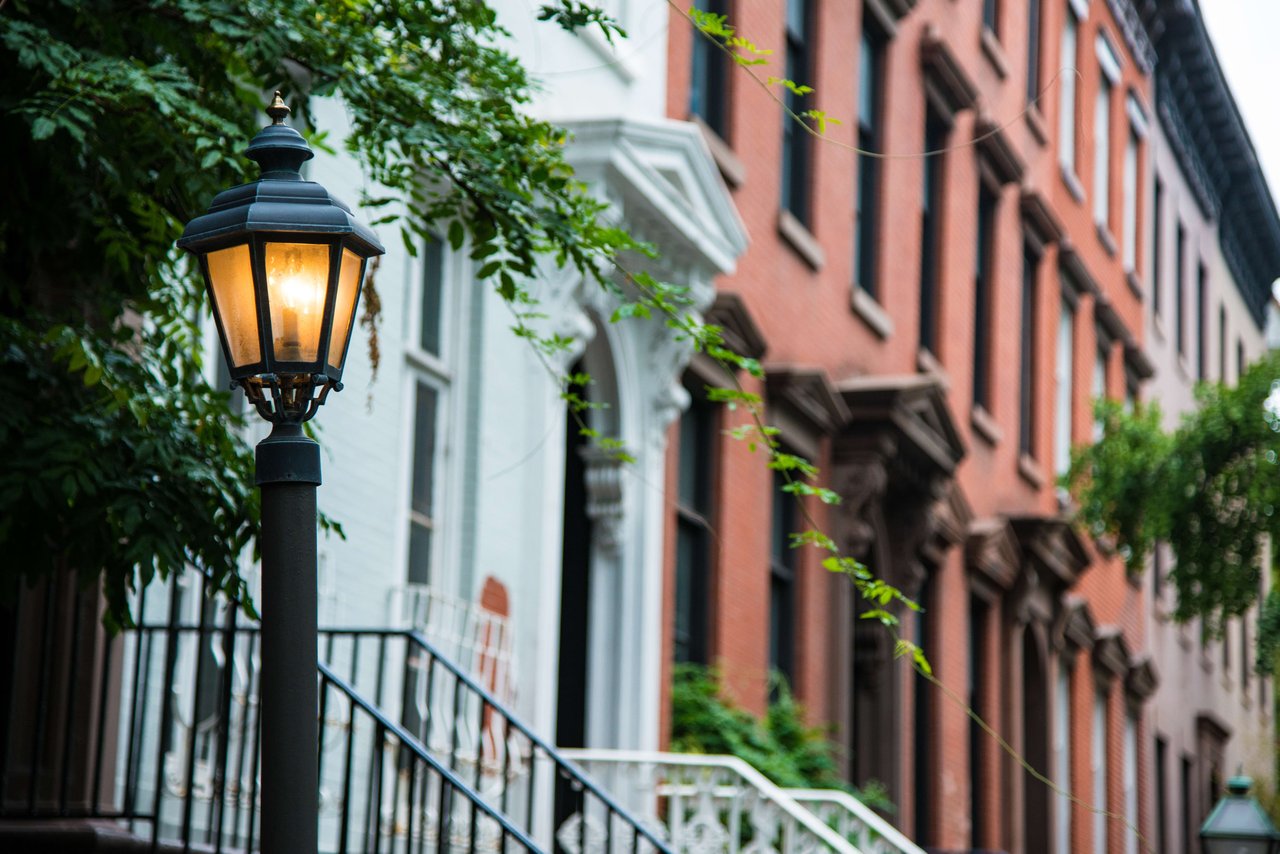
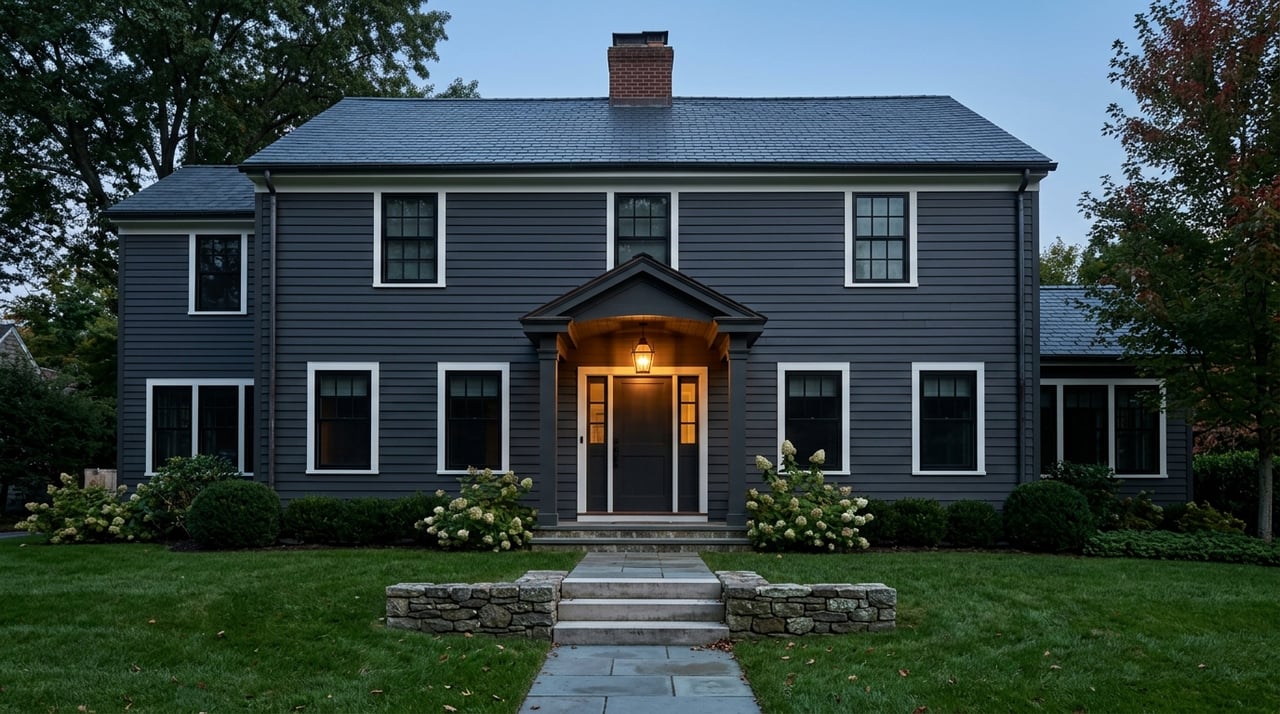
If you're deciding between Montclair and Jersey City, you're not just choosing a home. You're choosing a daily rhythm, a housing style, and the kind of convenience you want built into your week. The good news is that both offer strong value in very different ways, and understanding those differences can make your next move much clearer. Let's dive in.
The biggest difference between Montclair and Jersey City is not just price. It is how each place supports your day-to-day life.
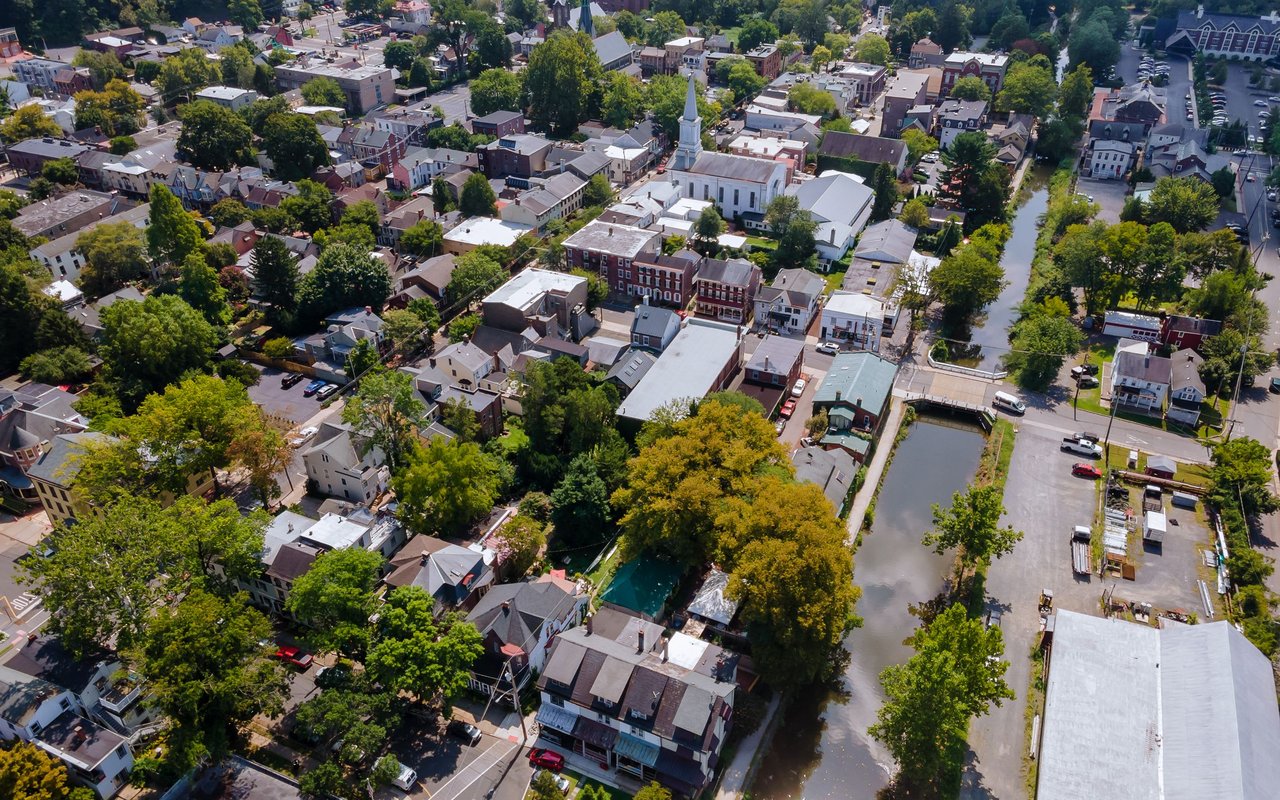
Montclair reads as more suburban, with a stronger owner-occupied pattern and a housing mix that leans toward detached homes. Jersey City is denser, more multifamily, and more transit-oriented, which creates a very different ownership and lifestyle experience. Based on current citywide median sale prices cited in Montclair's 2025 housing plan, Montclair was about $1.35 million in February 2026, while Jersey City was about $800,000 in the same period, according to the same planning source that references Redfin market data.
For many buyers, the real question is simple: do you want more space and a more house-like setup, or do you want easier car-light living and a more urban pace?
According to Montclair's 2025 housing plan, 59.9% of occupied units were owner-occupied in 2023. The same report says 49.5% of homes were detached single-family properties, and nearly 60% of the housing stock was built before 1940.
That matters if you want a home with more separation, more traditional lot patterns, or older architectural character. It also helps explain why Montclair often appeals to buyers looking for a more classic suburban ownership experience.
Redfin data cited in that same plan placed Montclair's median sale price at $1.35 million in February 2026, with a median of 97 days on market. So while you may gain more space and detached-home options, that often comes at a higher entry point.
Jersey City's housing needs assessment from the Regional Plan Association shows a very different picture. About 30% of units are owner-occupied, and 86% of the housing stock is in multifamily buildings. The report also notes that 73% of new housing stock since 2010 has been in large multifamily buildings.
If you're looking for condos, townhomes, or lower-maintenance ownership, Jersey City may line up more naturally with your goals. This type of housing often supports buyers who want convenience, newer building amenities, or easier lock-and-leave living.
The same assessment references a February 2026 median sale price of about $800,000, with homes selling in roughly 72 days. At a citywide level, that makes Jersey City the more affordable of the two markets based on the current median sale price comparison.
Montclair offers a commuter-rail lifestyle that works well for many buyers traveling into Manhattan. The township notes that it has six NJ Transit train stations on the Montclair-Boonton line, and says Upper Montclair and Watchung Avenue stations provide easy access to NY Penn Station.
That setup can be a strong fit if you want rail access without living in a denser urban environment. Your routine may still involve a car more often for errands and local movement, but train access remains a meaningful advantage.
Jersey City is built for more transportation flexibility. The city's transportation resources page highlights PATH, the Hudson-Bergen Light Rail, NJ Transit buses, ferry service, Citi Bike, Via JC, and secure bike parking.
The city also says it has one of the highest transit-ridership rates in the nation, with close to 50% of residents using public transit to commute to work. RPA's housing analysis reinforces the point, showing a commute mix of 36% transit, 5% walking, 3% biking, 26% driving alone, and 25% working from home.
If a car-light lifestyle matters to you, Jersey City clearly offers more ways to make that work. You have more modal choices, more urban connectivity, and more flexibility built into daily life.
Montclair's appeal is not just residential. It also offers a lively commercial and cultural identity through several walkable business districts.
According to the township's guide to business and shopping districts, the town has six business districts. Montclair Center is the largest and includes an art museum, a concert venue, a cinema, hundreds of shops and cafés, and multiple parking decks and lots. Other districts, including Upper Montclair, Watchung Plaza, and Walnut-Grove, each have their own retail and dining patterns.
In practical terms, Montclair often feels like a collection of small downtowns. If you like variety but still want a village-style rhythm, that can be a major plus.
Jersey City offers a more continuous urban environment. The city's Office of Cultural Affairs describes Jersey City as one of the most culturally diverse in the nation and points to a vibrant arts and culture scene.
Its 2025 Art & Studio Tour spans about 120 venues across all six wards and includes more than 60 open studios, plus gallery exhibitions, performances, music, poetry, and film. That kind of programming supports a more event-driven, city-style energy that many buyers want when they choose Jersey City.
If you enjoy having more activity, more density, and more transit-connected cultural programming around you, Jersey City may feel more aligned with your pace.
Montclair offers meaningful neighborhood green space throughout town. The township's age-friendly action plan reports 153.9 acres of township park land across 18 parks, plus 123.8 acres of county park land in five parks, and describes Montclair as home to many parks and nature reserves.
That distribution can support a more evenly spread outdoor routine. If you want nearby parks woven into residential areas, Montclair has a clear advantage based on the available data.
Jersey City is more urban, but that does not mean outdoor access disappears. The city says it has completed more than 25 major park improvement projects citywide, and notes that denser neighborhoods often rely on smaller pocket parks and newly created open spaces.
The city is also advancing Courthouse Park, a planned 3.4-acre park in Journal Square, and has pointed to Grand Street improvements intended to improve access to Liberty State Park and the Hudson River Waterfront Walkway. For many buyers, Jersey City's outdoor experience is less about a suburban park pattern and more about waterfront corridors, concentrated urban parks, and active public-space improvements.
There is no universal winner here. The better choice depends on what you want your home to do for you.
Montclair may fit best if you want:
Jersey City may fit best if you want:
At the highest level, this is a tradeoff between space and suburban rhythm versus transit richness and urban intensity. Once you know which side of that tradeoff matters more to you, the decision usually gets easier.
If you're weighing both markets and want guidance tailored to your budget, commute, and housing goals, JC Luxury Group can help you compare options with a local, strategy-first approach.
Are you interested in buying or selling a home? Look no further than working with our real estate experts.