
Home
Meet the Team

Why Partner With Us
Home Search
Home Valuation

Communities
Testimonials
New Developments

Commercial
Video Gallery
Blog
Contact Us
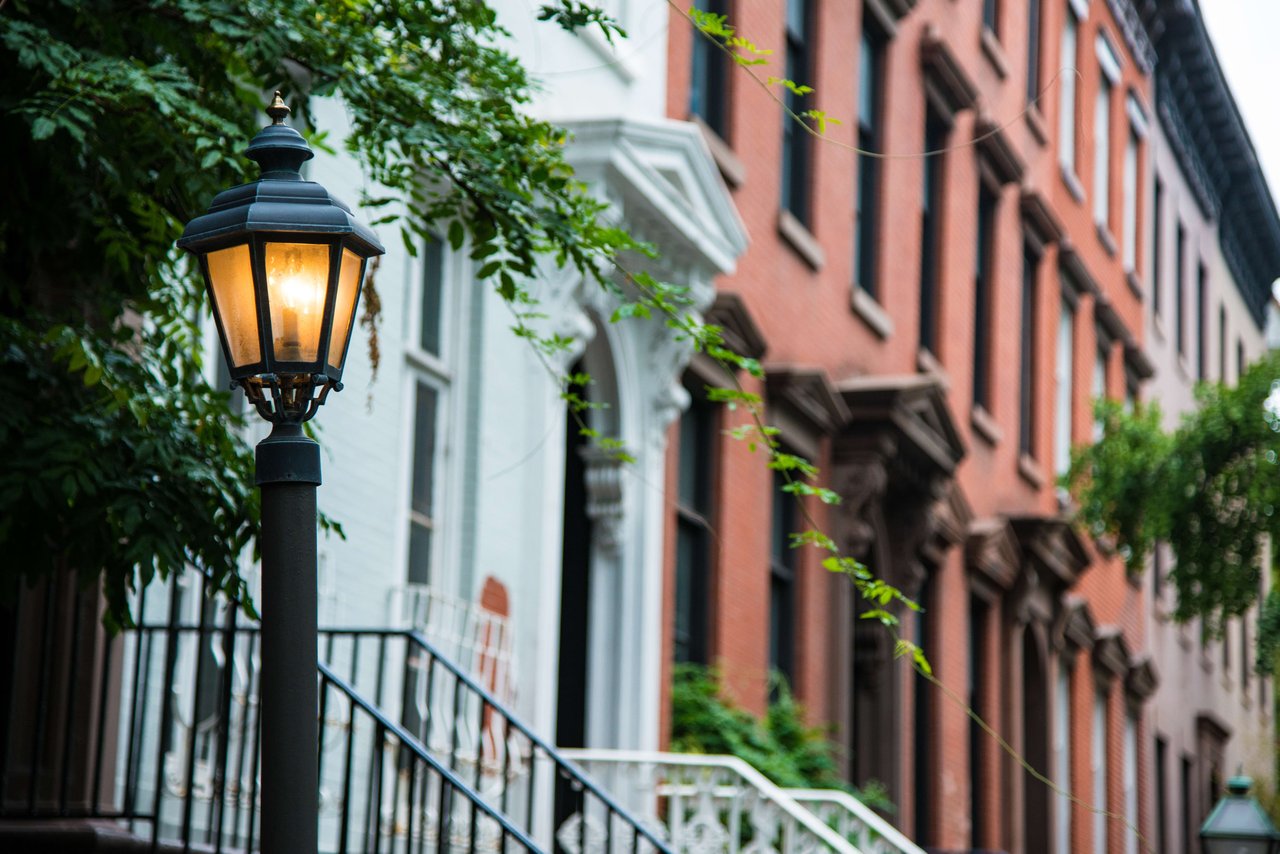
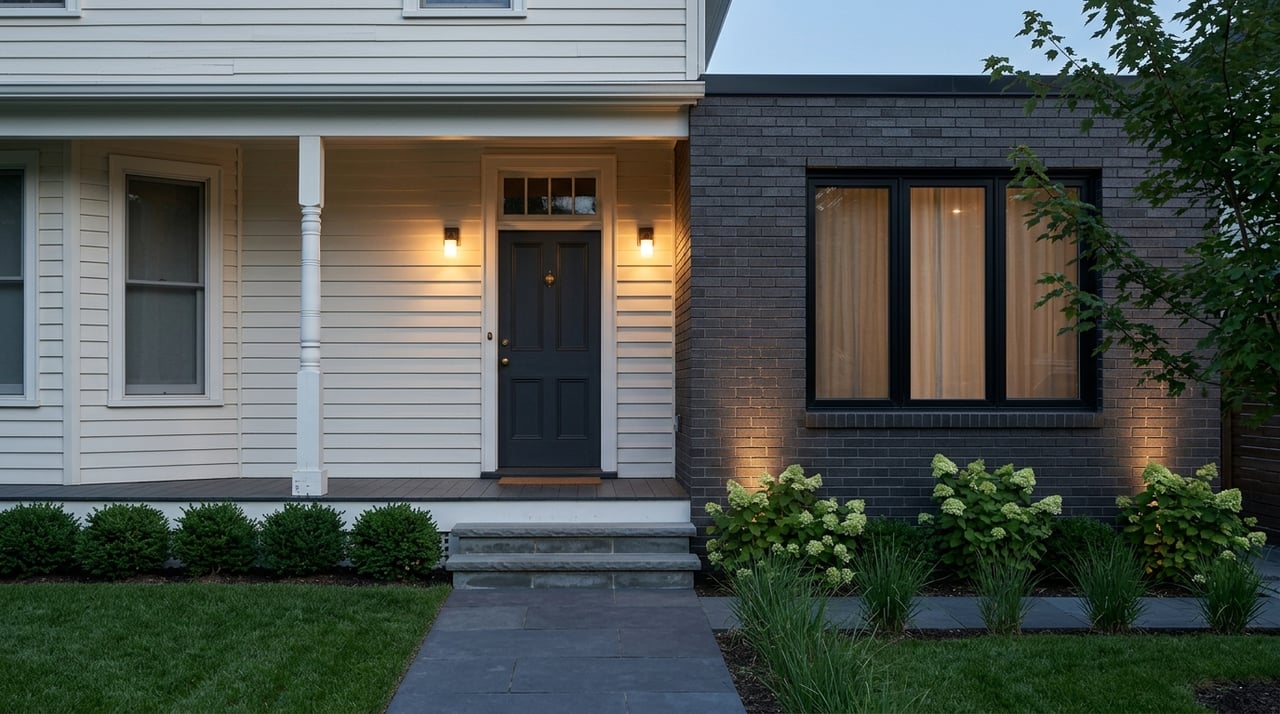
If you are weighing a classic Montclair home against newer construction, you are not just choosing a floor plan. You are choosing how you want to live day to day, what kind of upkeep feels manageable, and how much value you place on character versus convenience. In a town where historic identity is part of the appeal and ownership costs are already meaningful, knowing the tradeoffs can help you buy with more confidence. Let’s dive in.
Montclair has a long history as a commuter town with a strong residential identity, and that history still shapes the housing market today. The township highlights its historic character through 4 locally landmarked historic districts, 64 individually designated landmarks, and 6 National and State Registered Historic Districts.
That context matters because your choice is rarely just old versus new. In Montclair, historic homes often sit in areas shaped by preservation standards, while new construction may still need to fit within local design rules. This creates a market where both options can be appealing, but for very different reasons.
Costs also play a major role in the decision. Census data shows a median owner value of $850,700 in Montclair, with median selected monthly owner costs above $4,000 with a mortgage and above $1,500 without one. That means the right fit is not only about style. It is also about long-term ownership comfort.
In Montclair, “historic home” can cover several architectural eras and living experiences. Some buyers picture ornate Victorians, while others may be drawn to Colonial Revival homes or even mid-century ranches that now carry their own historic value.
Victorian-era and Queen Anne homes are often the most visually expressive. These homes commonly feature asymmetrical shapes, wraparound porches, turrets, mixed exterior materials, and room-to-room layouts centered around a staircase.
For you as a buyer, that can mean standout curb appeal and a one-of-a-kind feel. It can also mean more exterior trim, more surfaces exposed to weather, and a home that may require more regular attention over time.
Colonial Revival homes usually present a more formal and symmetrical look. Common details include columns, pilasters, fanlights, side lights, and pedimented entries.
Inside, these homes often feel more traditional than fully open. If you like defined rooms and a classic front elevation, this style may feel timeless. If you want a very open great-room layout, it may feel more segmented than what you had in mind.
Some of Montclair’s older homes come from the mid-century era and offer a very different experience from Victorian or Colonial styles. Ranch homes are typically one story, long and low, with zoned living areas, open floor plans, large picture windows, and sliding glass doors.
These homes were designed around casual living, which is one reason many buyers find them practical for modern routines. If your priority is easier flow without giving up the feel of an established neighborhood, this type of historic home can be a compelling middle ground.
New construction tends to appeal to buyers who want simplicity and predictability. In practical terms, that often means newer mechanical systems, more standardized layouts, and fewer immediate repair items after closing.
Energy performance is one of the biggest advantages. ENERGY STAR notes that a complete thermal enclosure system, including air sealing, properly installed insulation, and high-performance windows, can improve comfort and durability while lowering maintenance demands and monthly utility bills. ENERGY STAR certified homes are designed to deliver at least 10% savings on annual utility bills.
For many buyers, that translates into less operating friction. You may spend less time thinking about insulation gaps, aging windows, or older HVAC systems and more time simply enjoying the home.
One of the most important things to understand is that new construction in Montclair is not always a blank slate. The township Building Office handles construction permitting, and in locally landmarked districts, certain exterior changes require a Certificate of Appropriateness from the Historic Preservation Commission.
Montclair’s historic design guidelines also apply to new construction in historic contexts. So if you are considering building new, substantially renovating, or buying a newer home in one of these settings, local approvals can shape what is possible.
That does not make new construction less attractive. It simply means your decision should account for local process as well as aesthetics, especially if your goal is a highly customized result.
For many buyers, this is the section that matters most after price. Historic homes usually require more hands-on maintenance because preservation guidance focuses on repair and ongoing care of historic materials instead of broad replacement.
Porches are a good example. National Park Service guidance notes that historic porches can be especially vulnerable to moisture and rot. Historic windows also often call for repair rather than replacement, which can preserve character but may require more planning and budget.
New construction usually reduces those near-term maintenance variables. With newer roofs, windows, insulation, and mechanical systems, your first few years of ownership may feel more predictable. That can be especially appealing if you prefer a lower-maintenance lifestyle or have limited time for home projects.
Older homes and newer homes often perform very differently when it comes to energy use. The U.S. Department of Energy notes that many older homes have less insulation than homes built today, which can affect comfort and monthly utility costs.
That said, buying a historic or older home does not automatically lock you into poor efficiency. ENERGY STAR estimates that homeowners can save an average of 15% on heating and cooling costs, or 11% on total energy costs, by air sealing and adding insulation in key areas.
New Jersey’s Clean Energy Program also supports a whole-house approach for existing homes, centered on improvements such as insulation, air sealing, duct work, and HVAC-related upgrades. If you love the architecture of an older home, efficiency upgrades may help narrow the gap between charm and operating cost.
No Montclair home comparison is complete without taxes. The township’s 2025 total local levy rate is 3.523 per $100 of assessed value, which can have a major impact on your annual carrying cost.
Using that rate, a home assessed at $1,000,000 works out to about $35,230 in annual property taxes. A home assessed at $1,500,000 works out to about $52,845 annually, before any buyer-specific adjustments or future changes.
The township also says a property revaluation is scheduled to be completed in 2027, with updated valuations taking effect for the 2028 tax year. If you are comparing a restored historic home with a newer or newly built property, it is smart to look beyond the sale price and think through the full monthly ownership picture.
The lifestyle difference between historic homes and new construction often comes down to ambiance. Montclair’s historic districts are intended to preserve the township’s distinctive character, and the town describes itself as a gracious residential community with many old houses that enhance its charm.
Historic areas also connect to long-standing commercial nodes like Town Center, Upper Montclair, and Watchung Plaza. For some buyers, that sense of continuity and architectural variety is a major part of why Montclair feels special.
Newer homes, by contrast, often appeal because they remove friction from daily life. You may get a layout that feels more aligned with current living patterns, better thermal performance, and less immediate upkeep. If your priority is convenience, that can outweigh the emotional draw of older architecture.
Whether you are leaning historic or new, a few practical checks can save you time and stress.
Montclair’s Building Office states that the township does not require a new certificate of occupancy for a sale, but open construction permits and violations must be closed before closing. That makes permit history especially important when you are evaluating an older home with updates or any property with unfinished work.
If you value architectural individuality, neighborhood texture, and the kind of charm that is hard to replicate, a historic Montclair home may be the better fit. You just need to be comfortable with more active maintenance and a less standardized ownership experience.
If you prioritize efficiency, newer systems, and a more predictable day-to-day routine, new construction may serve you better. In Montclair, that choice can offer lower operating friction, even if it does not always deliver the same sense of architectural personality.
In the end, this is a lifestyle decision as much as a real estate one. The right choice is the one that matches how you want to live, what you want to budget for, and how much weight you give to character versus convenience.
If you are planning a move and want clear guidance on how to weigh home style, ownership costs, and long-term value, JC Luxury Group can help you evaluate your options with a smart, market-aware strategy.
Are you interested in buying or selling a home? Look no further than working with our real estate experts.