
Home

Meet the Team

Why Partner With Us

Home Search

Home Valuation

Communities
Testimonials

New Developments

Commercial

Video Gallery
Blog

Contact Us
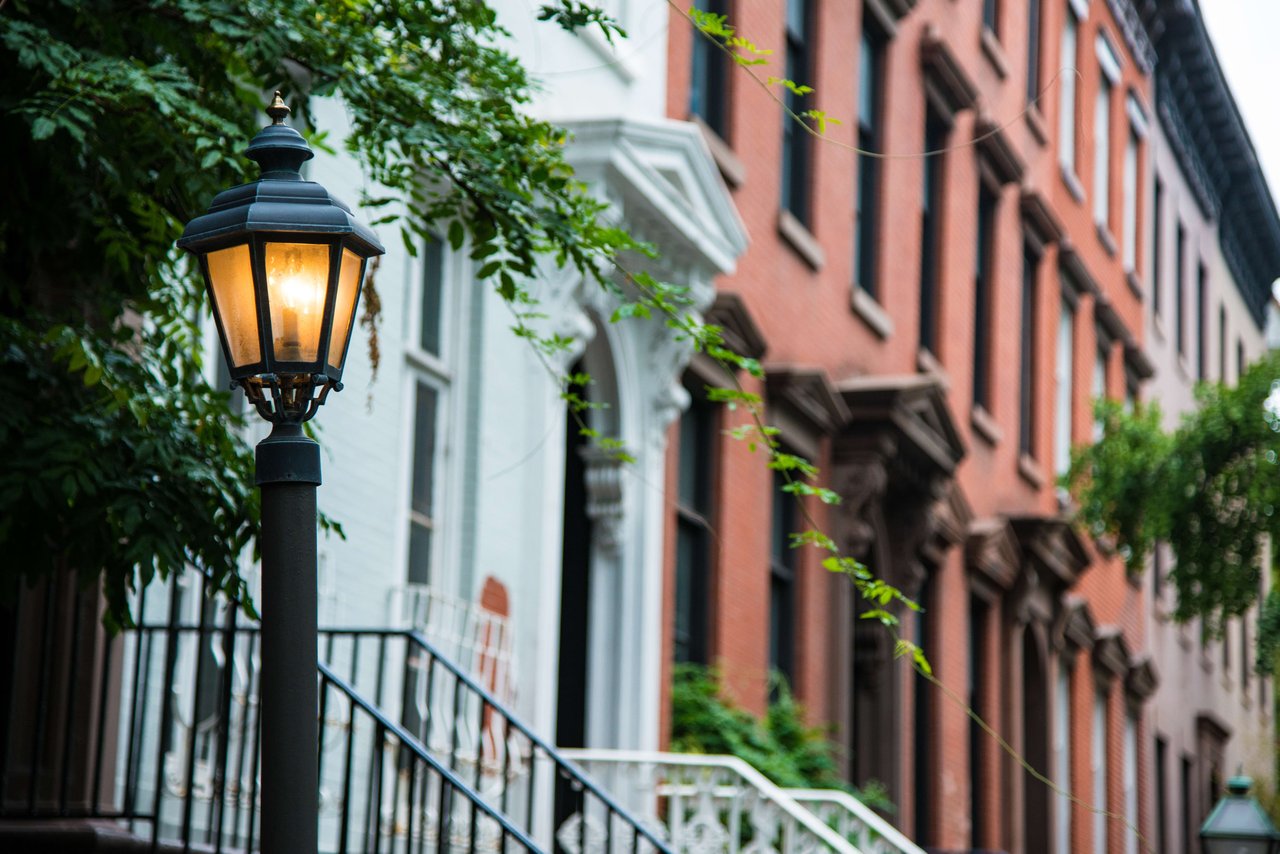
Thinking about ditching your car in Hoboken? You are not alone. In a compact, waterfront city where your favorite café, a park, and the PATH can all be a five‑minute walk, it often makes sense. In this guide, you will learn how to commute, run errands, and enjoy daily life by transit, bike, and foot. Let’s dive in.
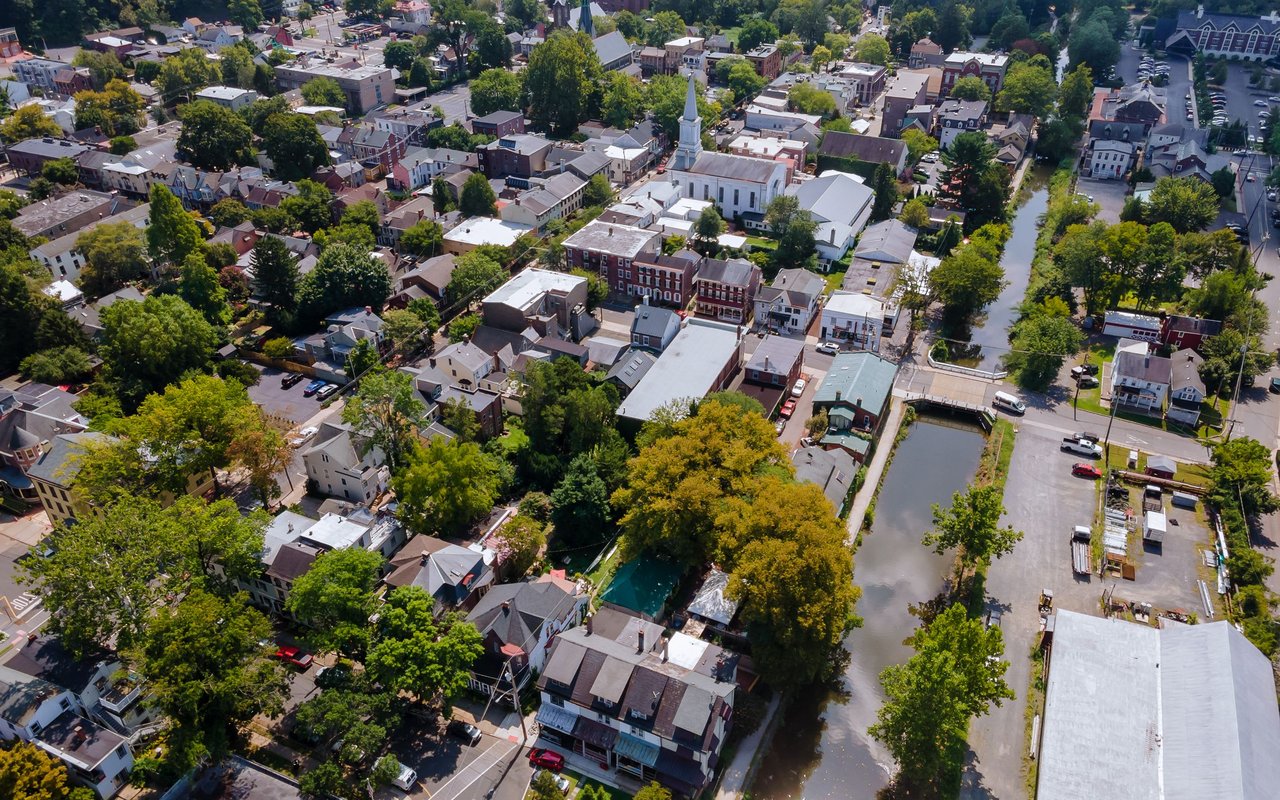
Hoboken is only about 1.25 square miles with a 2020 population of 60,419, which means daily needs sit close together and are easy to reach on foot. The city’s density and street grid make quick, local trips part of the lifestyle. According to the U.S. Census Bureau, many daily errands in Hoboken neighborhoods do not require a car. You also benefit from top‑tier walkability scores, with many blocks ranking in the high 90s on Walk Score.
Hoboken functions as a multimodal hub centered on Hoboken Terminal. You can pair rail, ferry, buses, light rail, and walking or biking for fast, reliable trips.
The PATH is the backbone for many Manhattan commutes. The Hoboken to 33rd Street run is published at about 14 minutes of in‑vehicle time when operating directly to Midtown. Service runs around the clock, though routing and schedules can change during maintenance. Review live updates before you go. Learn more on the PATH route reference page for Hoboken–33rd Street.
NY Waterway ferries provide a direct and scenic link to Midtown West and Lower Manhattan. Crossings are often in the single‑digit to low‑double‑digit minute range, and operators add trips during peak periods. Many commuters choose ferries for comfort and reliability. Check routes and schedules at NY Waterway.
The Hudson‑Bergen Light Rail connects Hoboken’s waterfront with Jersey City and other riverfront neighborhoods, which is useful for local trips and first‑ or last‑mile connections. Hoboken Terminal also anchors NJ Transit regional rail and bus service for New Jersey destinations. If you are heading into Manhattan during rush hours, PATH and ferries are typically more time‑reliable than buses that depend on roadway traffic.
Hoboken’s free Hop municipal shuttle runs on daytime schedules and is helpful for short hops, grocery runs, and connecting to Hoboken Terminal. All vehicles are wheelchair accessible. Routes, service hours, and the PassioGo tracker link are posted on the city’s page for The Hop.
For quick trips under two or three miles, biking often beats waiting for a bus or train. Citi Bike operates in Hoboken as part of the regional system, so you can unlock a bike near home, run an errand, and dock near your destination without worrying about storage. Check stations, memberships, and rules on the Citi Bike site.
When you need flexible options, rideshare and taxis are widely available. For occasional driving, many residents book short‑term rentals or carshare instead of paying for full‑time parking. City resources on garages, permits, curb rules, and the Corner Car program are organized under Transportation & Parking.
Hoboken blends independent grocers, specialty markets, and regional chains across its neighborhoods. The city also hosts three seasonal farmers markets in Downtown, Midtown, and Uptown during spring through fall. These markets make it easy to stock up on produce during a lunch break or evening stroll. See times and locations on the city’s farmers market page.
For bulk shopping or larger items, most residents mix and match strategies. You might use a bike trailer or e‑bike for a Costco‑style run, take a quick Hop ride with a foldable cart, call a short taxi for heavy loads, or schedule delivery. Hoboken’s density supports same‑day delivery for many stores and services, which keeps life car‑light even during a busy week.
The waterfront is part of daily life here. Pier A Park, Pier C Park, Sinatra Park, Maxwell Place Park, and Church Square Park offer running paths, playgrounds, lawns, and skyline views. Many families rely on these stroller‑friendly promenades for fresh air and playtime between school, work, and dinner. Explore the full inventory of green spaces on the city’s parks page.
Group fitness and outdoor classes are common along the waterfront in warm months. Residents often combine a quick bike ride with a light rail hop or PATH transfer to reach a favorite gym or class in Hoboken or nearby Jersey City.
Transit agencies perform periodic maintenance that can change routing or temporarily close a station. The City of Hoboken and operators publish advisories, alternate routes, and supplemental buses or ferries when that happens. For example, the city outlined contingency plans during a recent Hoboken PATH station closure. Read an example notice on the city’s news page about PATH closure planning and travel tips.
Practical tip: build a five‑minute buffer into your door‑to‑door commute on days with rain, snow, or construction. If PATH is crowded, walk to the ferry. If ferries are delayed by weather, use PATH or the light rail to adjust your route.
Owning a car in Hoboken can be expensive once you add permit or garage fees, insurance, tolls, and maintenance. Many households find that a mix of transit, bike share, rideshare, and occasional rentals is competitive with full ownership, especially for one‑ or two‑adult homes. Your exact math will depend on building parking options and how often you travel out of town.
For big errands, moving days, or weekend trips, plan ahead:
A few apps keep car‑free life simple and reliable:
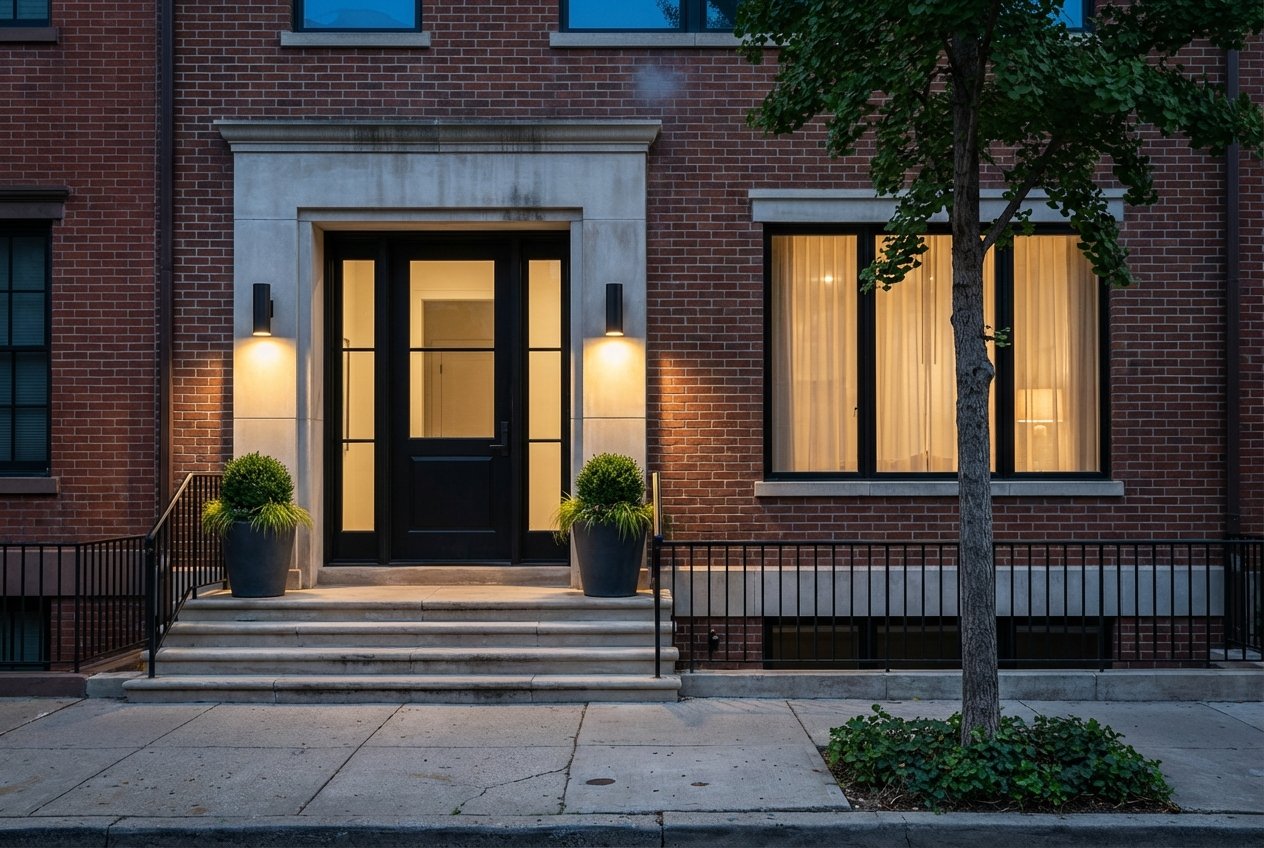
If you plan to live without a car, a few building and neighborhood features matter more:
If you expect to keep a car part‑time, compare monthly garage or permit costs against your estimated rideshare and rental budget. City resources and fees live under Transportation & Parking.
Ready to find a Hoboken home that fits your transit‑first lifestyle? Reach out to the team that specializes in Hudson County’s waterfront neighborhoods. Connect with JC Luxury Group to map your options and schedule tours anchored around the commute and amenities you will use every day.
Are you interested in buying or selling a home? Look no further than working with our real estate experts.