
Home
Meet the Team

Why Partner With Us
Home Search
Home Valuation
Communities
Testimonials
New Developments
Commercial
Video Gallery
Blog
Contact Us
What makes one neighborhood feel like a backdrop for your work, your routines, and your style of living all at once? In DUMBO, that answer often starts with the loft itself, but it does not end there. If you are drawn to creative energy, flexible living space, and a neighborhood with a strong visual identity, DUMBO offers a rare mix of all three. Let’s dive in.
DUMBO’s loft lifestyle is rooted in the neighborhood’s industrial past. According to the New York City Landmarks Preservation Commission, the area developed as a dense industrial district filled with factories and warehouses, many of which were later converted to residential and office use. That history still shapes what buyers experience today.
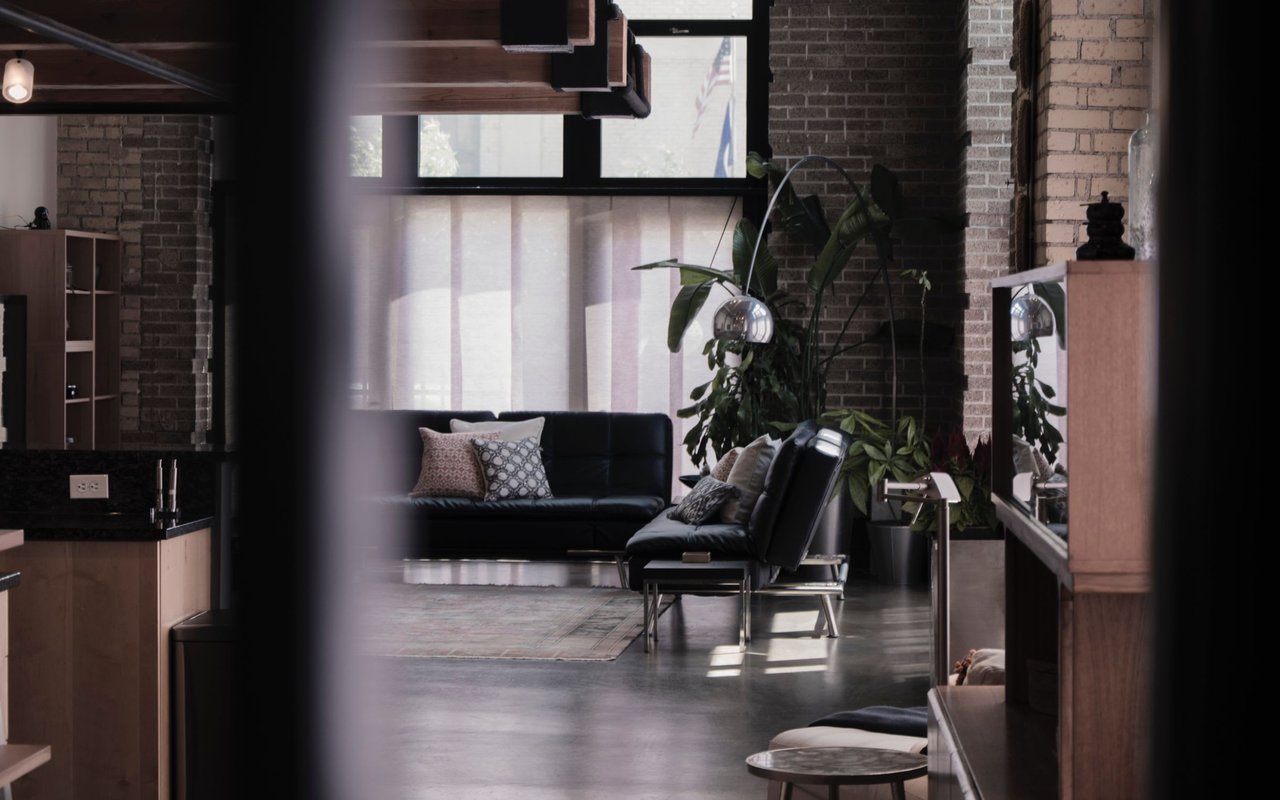
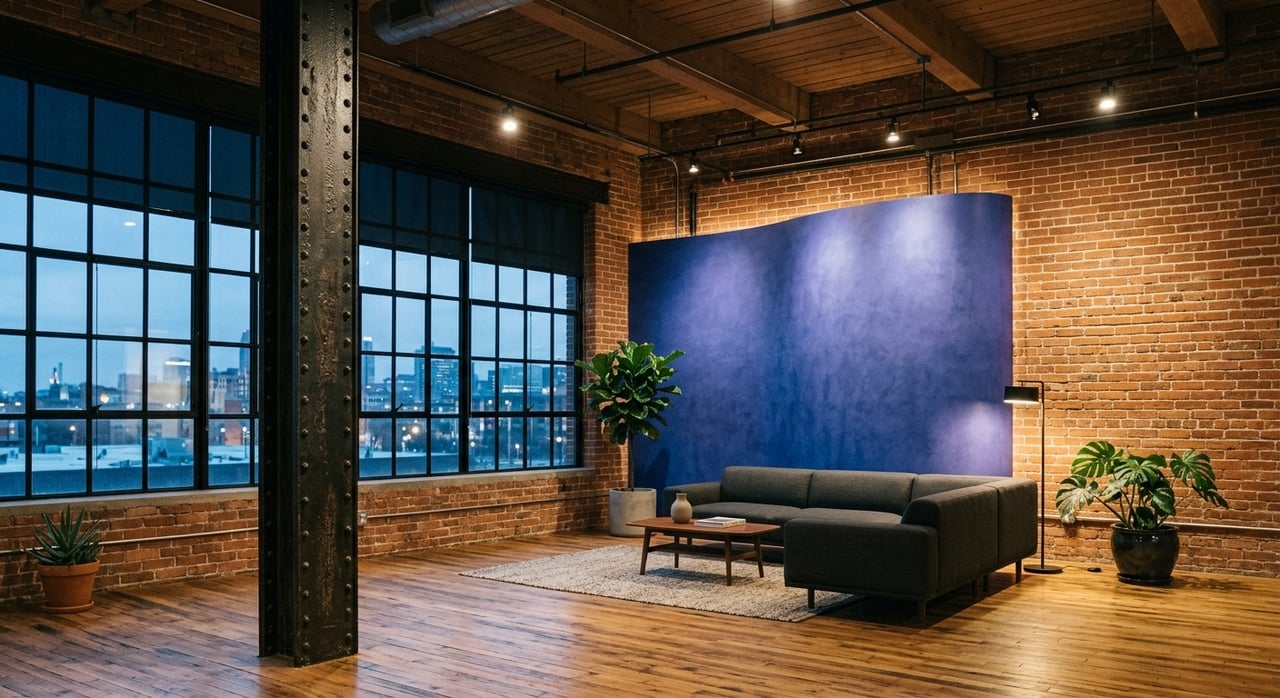
Instead of feeling manufactured, DUMBO’s loft character comes from true adaptive reuse. Large windows, open floor plates, and heavy industrial construction were practical features for manufacturing, and they now appeal to buyers who want flexible, design-forward homes. Original Belgian block paving, railroad tracks, and the dramatic setting near the Manhattan Bridge reinforce that one-of-a-kind identity.
Creative buyers are often looking for spaces with personality, not just square footage. In DUMBO, the architecture brings a sense of texture and scale that is hard to replicate in a typical new-build condominium. The result is a home that can feel both polished and raw in the best way.
That kind of authenticity matters because it supports different ways of living. Open layouts can work well for entertaining, working from home, creating a studio area, or simply enjoying a less compartmentalized floor plan. For buyers who value freedom in how they use space, loft living can feel especially attractive.
DUMBO’s residential story helps explain why the neighborhood continues to resonate with creative buyers. New York City Planning reports that artists began moving into large DUMBO spaces in the late 1970s as Manhattan neighborhoods changed, and many of those conversions were legalized by the Loft Board in the mid-1980s. That means the neighborhood’s loft identity grew from real demand, not branding.
This history still shapes the area’s appeal today. Buyers are not simply choosing a home with an industrial look. They are buying into a neighborhood where residential life developed alongside creative work, experimentation, and adaptive reuse.
For many buyers, especially hybrid workers, founders, designers, and freelancers, the line between living and working is more fluid than ever. DUMBO’s large loft spaces fit that reality well. The neighborhood’s layout and building stock support homes that can adapt as your needs change.
NYC Planning also notes that DUMBO attracted creative commercial firms in web and design, music production and promotion, and graphic arts. That mix helps the area feel naturally aligned with buyers who want a neighborhood that reflects the way they live and work now.
One reason DUMBO continues to attract creative buyers is that its artistic energy is not just part of its past. The DUMBO Improvement District’s 2024 annual report says the district supported 273 indie businesses, more than 150 DUMBO-based artists, 83 free cultural events, 237 evenings of projection art, and 2,700 Open Street hours. Those numbers point to a neighborhood with ongoing creative activity, not a frozen historic image.
That distinction matters when you are choosing where to live. A creative neighborhood feels different when the local culture is still being made in real time. In DUMBO, that energy shows up in businesses, artist presence, public programming, and how the streets and public spaces are used.
The same annual report highlights the renovated Dumbo Archway Plaza, car-free Washington Street, Old Fulton Plaza, projection art, live music, and art-making events like Drink and Draw and Live at the Archway. These are not minor details. They help make public space feel like part of everyday neighborhood life.
For creative buyers, that can be a major draw. Your routine is not limited to what happens inside your apartment. The neighborhood itself becomes part of your daily rhythm, whether that means grabbing coffee, seeing public art, attending an event, or simply walking through a visually rich streetscape.
A loft can spark interest, but the surrounding lifestyle often closes the gap between interest and action. NYC Tourism describes DUMBO as one of Brooklyn’s most visited neighborhoods, known for cobblestone streets, dramatic architecture, dining, art galleries, and waterfront views. That combination gives the area a strong day-to-night appeal.
You can see that in the neighborhood’s cultural and dining mix. Official visitor sources note first-Thursday gallery hopping and destination dining in the waterfront core, while the MTA’s East River waterfront guide points to places like Klompching Gallery, St. Ann’s Warehouse, Gran Eléctrica, Cecconi’s, and Time Out Market in Empire Stores. For buyers, that creates a compact routine where home, culture, and social life all sit within a walkable footprint.
Creative buyers are often highly responsive to setting. DUMBO offers strong visual cues at almost every turn, from warehouse facades and bridge views to cobblestone streets and waterfront sightlines. That kind of environment can feel energizing in a way that more uniform neighborhoods do not.
There is also a practical side to that appeal. When galleries, performance spaces, restaurants, and public gathering places are close at hand, daily life becomes easier to shape around your interests. The neighborhood supports a lifestyle that feels curated without feeling closed off.
Creative professionals often want more than inspiration. They also want room to reset. Brooklyn Bridge Park plays a major role here.
According to the park’s official site, Brooklyn Bridge Park spans 85 acres along 1.3 miles of East River shoreline and offers activities that include biking, basketball, birding, fishing, ice skating, kayaking, pickleball, ping pong, roller skating, soccer, and volleyball. The park also transformed a former cargo shipping and storage complex while preserving the industrial waterfront character that defines this part of Brooklyn.
That combination of recreation and setting gives DUMBO a rare balance. You can step out from a loft environment shaped by industrial history and quickly access open water views, green space, and active recreation. For many buyers, that helps the neighborhood feel both stimulating and livable.
This matters if your work is demanding or screen-heavy. Easy access to the waterfront can support a more flexible daily routine, whether that means a walk before work, time outside between meetings, or a quick reset at the end of the day.
DUMBO’s appeal is also practical. NYC Ferry’s South Brooklyn route includes DUMBO/Fulton Ferry and Atlantic Ave/BBP Pier 6, and the MTA’s waterfront guide notes walking access from nearby subway stations. That connectivity helps the neighborhood feel tucked away without being isolated.
For buyers who split time between Brooklyn, Manhattan, and nearby neighborhoods, that matters. Good mobility supports the kind of flexible schedule many creative and professional buyers already have. You get the atmosphere of a waterfront enclave with straightforward access to the rest of the city.
When you put it all together, the appeal becomes clear. DUMBO offers authentic loft architecture, a documented history of artist-led residential reuse, a still-active creative ecosystem, rich public programming, strong dining and gallery access, major waterfront recreation, and practical transit connections. Few neighborhoods deliver that combination in such a concentrated way.
For buyers who want a home that reflects both style and function, DUMBO can feel like a natural fit. It supports a way of living where your space, your work habits, and your neighborhood experience all connect.
If you are exploring Brooklyn neighborhoods that blend architecture, culture, and lifestyle at a high level, JC Luxury Group can help you navigate the market with a sharper strategy and local insight.
Are you interested in buying or selling a home? Look no further than working with our real estate experts.