
Home
Meet the Team

Why Partner With Us

Home Search
Home Valuation

Communities
Testimonials
New Developments

Commercial
Video Gallery
Blog

Contact Us
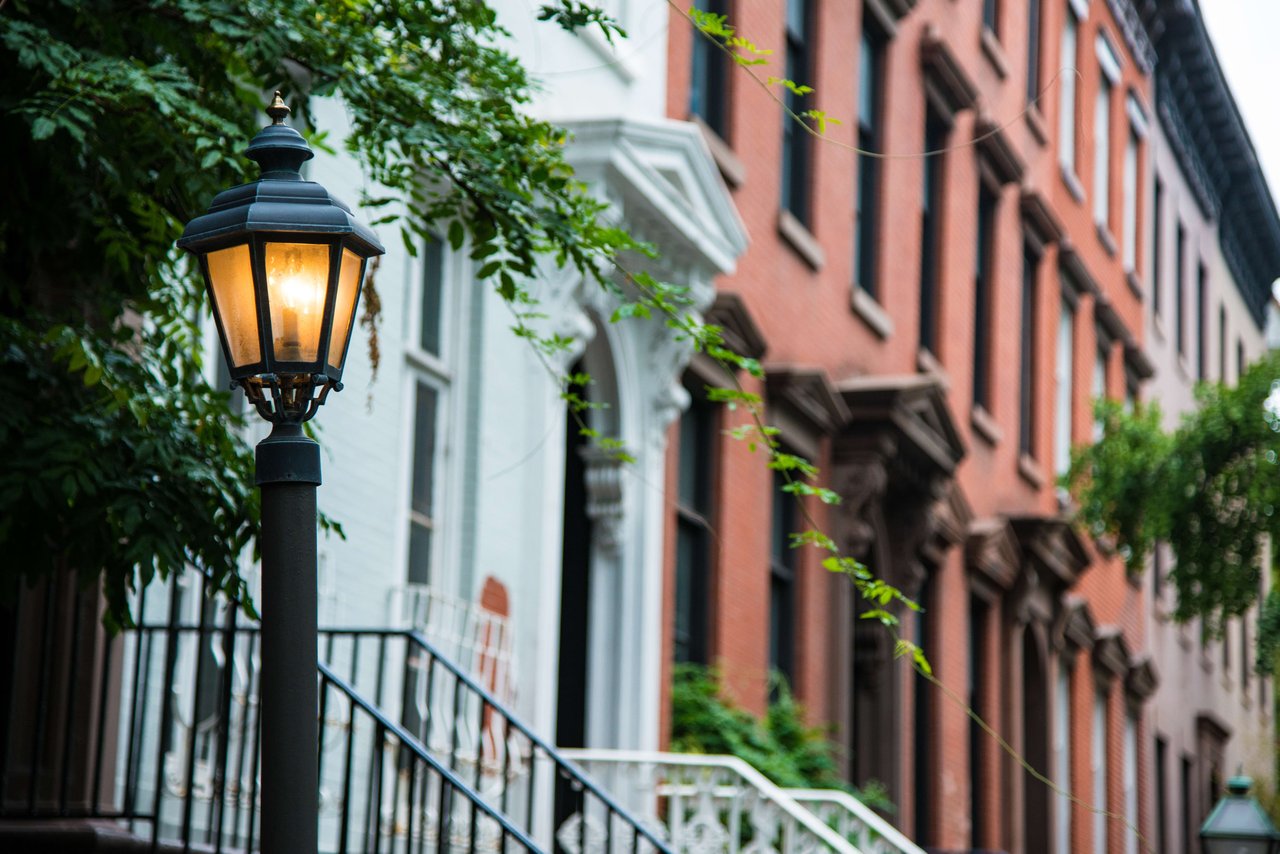
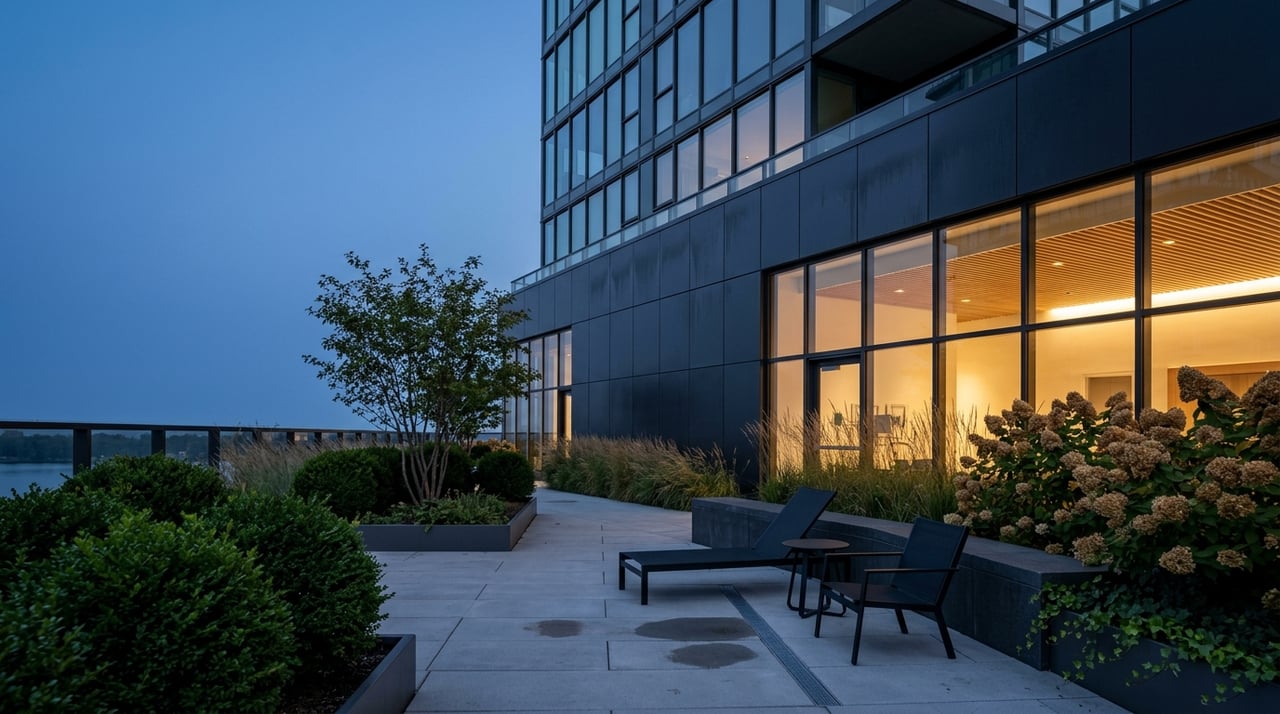
If you picture Long Island City’s waterfront towers as places built only for skyline views, you are missing the bigger story. Daily life here is shaped by fast transit, active parks, walkable errands, and a strong arts and dining scene that makes the neighborhood feel connected from morning to night. If you are weighing a move to the area, understanding the day-to-day rhythm matters just as much as the building itself. Let’s dive in.
Long Island City’s waterfront is part of a larger mixed-use neighborhood, not an isolated row of residential towers. Queens Community Board 2 describes LIC as the westernmost residential and commercial neighborhood in Queens, while the Long Island City Partnership highlights its fast growth, central location within New York City, and base of more than 6,600 businesses and over 106,000 employees.
That matters because your lifestyle here is not limited to what is inside your building. In Hunter’s Point South, NYC Housing Preservation and Development describes a 30-acre mixed-use, mixed-income waterfront community with retail, open space, schools, and about 5,000 homes planned at full buildout. In practical terms, that creates a neighborhood where living, commuting, relaxing, and running errands all happen within the same local orbit.
For many buyers and renters, the biggest draw of Long Island City’s waterfront towers is simple: getting around is easy. The area is served by 8 subway lines, 15 bus lines, 3 ferry landings, 74 Citi Bike stations, and 2 Long Island Rail Road stations, giving you several ways to move through the city without depending on a car.
In the Hunters Point South area, you have access to the Long Island City LIRR station, the Vernon Boulevard-Jackson Avenue 7 train, the 21 St G train, the Hunters Point South Ferry Terminal, and multiple bus lines. That range of options gives you flexibility on busy mornings, hybrid workdays, and weekend plans.
The 7 train is a major part of the neighborhood’s appeal. According to the MTA, the line reaches Grand Central-42 St and Times Sq-42 St, while nearby Court Sq connects you to E, G, M, and 7 service.
If you work in Midtown or meet clients there often, that can make the waterfront towers feel especially practical. You are not choosing between convenience and lifestyle. In many cases, you get both.
The East River ferry route connects Hunters Point South to key stops along the river corridor, including East 34th Street and Wall Street/Pier 11. For some residents, that means a commute with open views and a different pace than the subway.
It is also useful for weekends and off-hour trips. Having ferry access adds another layer of flexibility to a neighborhood that already leans heavily into transit choice.
One of the best things about life in LIC’s waterfront towers is that the open space is not just decorative. The waterfront parks are designed for daily use, which changes how the neighborhood feels when you actually live there.
Gantry Plaza State Park spans 12 acres along the river and includes four piers, restored gantries, gardens, a mist fountain, playgrounds, basketball and handball courts, and a fishing pier. Hunter’s Point South Park adds another 11 acres with a central green, playgrounds, recreation facilities, a dog run, a pavilion, a promenade, and a small beach.
These are the kinds of spaces that support a real routine. You can start the day with a waterfront walk, take a quick break outside in the afternoon, or meet friends in the park without needing to plan a full outing.
The Long Island City Partnership also notes that LIC offers greenways, bike paths, public art, and more than 20 parks and waterfront spaces. That makes the outdoor lifestyle here feel integrated into the neighborhood rather than limited to one signature destination.
A tower lifestyle works best when the surrounding neighborhood gives you more than a nice lobby and a good view. In LIC, the broader district supports everyday convenience with enough density to feel active and useful.
The Long Island City Partnership counts more than 300 food and drink options, over 50 shopping destinations, more than 40 arts and culture organizations, and over 20 parks and waterfront spaces. That mix helps explain why the area feels like a full neighborhood rather than a single-use residential zone.
Long Island City also stands out for its arts presence. Queens Community Board 2 notes that LIC has one of the city’s highest concentrations of art galleries, art institutions, and studio space.
MoMA PS1 on Jackson Avenue offers free general admission and is accessible by the 7, E, M, and G lines. SculptureCenter on Purves Street also offers free admission and is near Court Square, Queens Plaza, and Queensboro Plaza. Culture Lab LIC operates in a converted warehouse with galleries, an 80-seat theater, classroom space, an outdoor venue, and year-round programming.
That means your after-work options can be more varied than dinner and home. In LIC, a casual gallery visit or cultural event can fit naturally into a normal week.
Because LIC is built as a mixed-use district, many residents lean into a walkable pattern for everyday needs. Dining, shopping, transit, and public space are layered together in a way that supports shorter, more connected trips.
The Business Improvement District also supports the area through sanitation, visitor support, beautification, community development, and marketing initiatives. While that work may happen in the background, it contributes to the polished, active feel people notice on the ground.
The convenience of the waterfront tower lifestyle comes with one clear tradeoff. It is more urban and transit-oriented than car-oriented.
Street parking is limited in the Court Square and Jackson Avenue area, and even nearby visitor guidance for MoMA PS1 points people to a municipal garage. If you are used to driving everywhere, this may take some adjustment.
For many people, the neighborhood is designed in a way that makes car ownership less central to daily life. Between subways, ferries, buses, Citi Bike, the LIRR, and walkable amenities, the area supports a connected routine that does not rely on parking being easy.
That does not mean a car is impossible. It simply means the neighborhood works best when you value transit access, walkability, and shared public space.
Long Island City’s waterfront towers tend to appeal to people who want an urban home base with strong access to Manhattan and the rest of the city. If you care about commute options, waterfront open space, and having dining and culture nearby, the neighborhood checks many of the right boxes.
It can be especially compelling if you want a home that feels polished and modern, while still giving you easy access to parks and daily convenience. The appeal is not just the apartment. It is the way the neighborhood supports your routine.
The strongest case for Long Island City’s waterfront towers is not any single amenity. It is how the pieces work together.
You have fast connections to Midtown, multiple transit backups, major waterfront parks, a dense mix of dining and shopping, and a culture scene that is unusually strong for a residential waterfront district. Put together, that creates a lifestyle that feels active, connected, and practical.
If you are comparing NYC-area waterfront neighborhoods and want clear guidance on what fits your goals, JC Luxury Group can help you evaluate the options with a local, strategy-first approach.
Are you interested in buying or selling a home? Look no further than working with our real estate experts.