Want the skyline, commuter demand, and long-run stability without Manhattan pricing? Edgewater’s waterfront condos offer a clear path to buy-and-hold investing, but the math only works when you account for HOA fees, taxes, and coastal insurance. In this guide, you’ll learn how today’s prices and rents line up, which building factors protect value, and how to underwrite a realistic yield for a 10-year hold. Let’s dive in.
Why Edgewater works long term
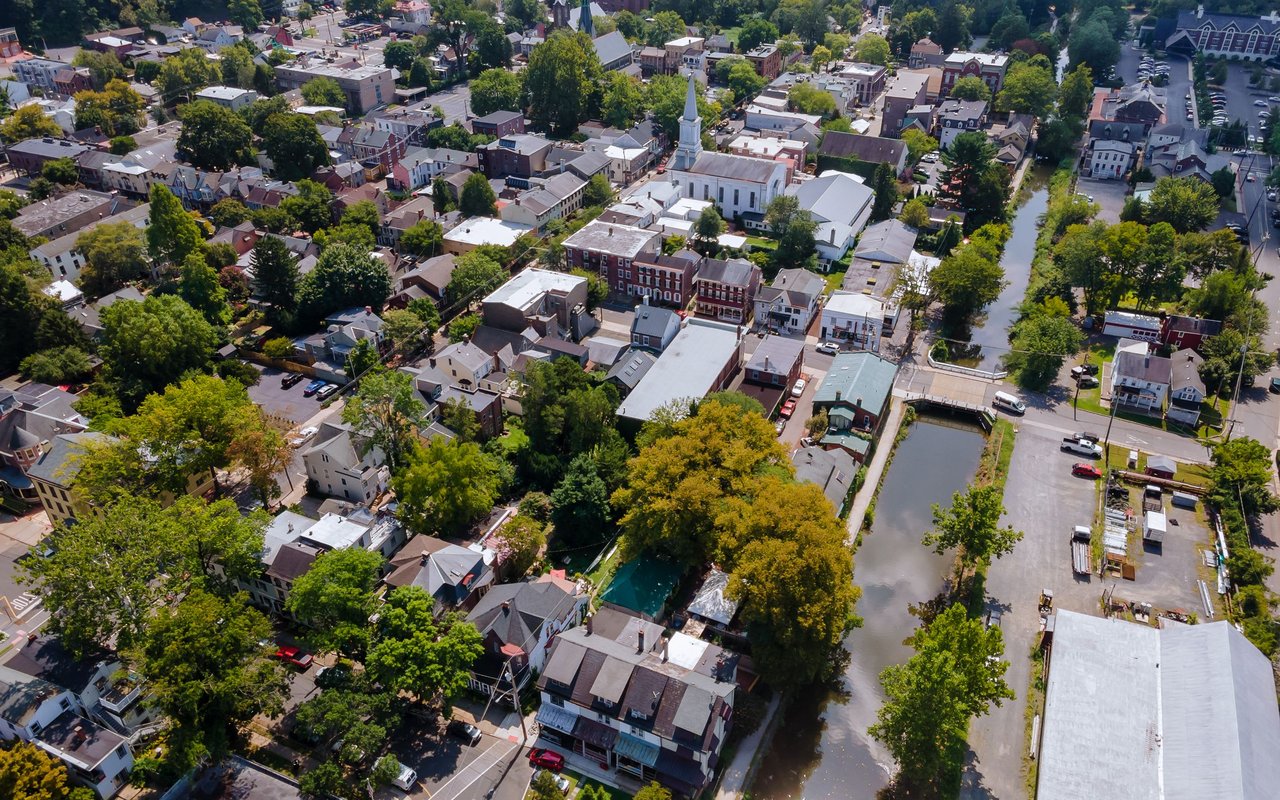
Edgewater sits on the Hudson River with frequent commuter access to Manhattan and concentrated condo inventory along River Road. The borough’s waterfront nodes cluster around retail and dining, making day-to-day living convenient. You also benefit from ferry and bus connections that keep renter demand steady for homes with parking and amenities. Learn more about the waterfront setting from the borough’s profile on Edgewater, New Jersey.
Commute and lifestyle advantages
If your renter values fast access to the city, Edgewater delivers. NY Waterway ferry service and River Road bus routes serve Manhattan-bound commuters, which supports rentability and lower vacancy over time. See the ferry service context in this NY Waterway service advisory. Proximity to City Place and other retail centers adds daily convenience that helps units re-lease with fewer concessions.
What the numbers say in 2026
Recent market trackers show a median sale price near the mid-$600Ks in February 2026 for Edgewater condos. Long-term rents observed in March 2026 trend in the low-to-mid $3,000s per month. That implies a gross yield in the mid-single digits before costs. The takeaway is simple: demand is durable, but net cash flow depends on building fees, taxes, insurance, and how your unit competes.
The costs that move your yield
Even well-leased waterfront condos can see cash yields compressed by recurring ownership expenses. Budget for these with building-specific quotes.
- HOA/maintenance. Waterfront buildings with concierge, garage parking, and amenities often run in the roughly $900 to $1,200+ per month range for larger units, while smaller or garden-style homes can be near the $500s. Always confirm inclusions like parking, water, sewer, and flood components in the HOA packet.
- Property taxes. Bergen County and Edgewater run higher than the U.S. average. Municipal data aggregations placed Edgewater’s average residential tax bill above $10,000 per year as of 2024. Review the current tax bill for the specific unit and check the tax office for updates. See the countywide context in this Bergen County property tax overview.
- Flood and hazard insurance. Many waterfront parcels are in FEMA-mapped flood areas, which can raise premiums and deductibles. Some coverage may flow through the HOA master policy, but you should verify limits, deductibles, and owner HO-6 requirements. For background, review Bergen County’s flood hazard mapping status report.
- Special assessments. Bulkheads, seawalls, and waterfront promenades can require capital work. Ask for 5 to 10 years of capital plans and the assessment history so you are not surprised after closing.
Building factors that protect value
Not all buildings are equal for long-term holds. Focus on projects that are financeable, transparent, and attractive to renters.
- HOA finances and reserves. Look for established reserve policies, operating surpluses, and clean minutes. Weak reserves or litigation can trigger lender issues and future assessments. Review what lenders consider in the Fannie Mae condominium project standards.
- Owner-occupancy mix. A higher share of owner-occupants can improve mortgage options and resale liquidity. Verify rental caps and investor concentration with the management company.
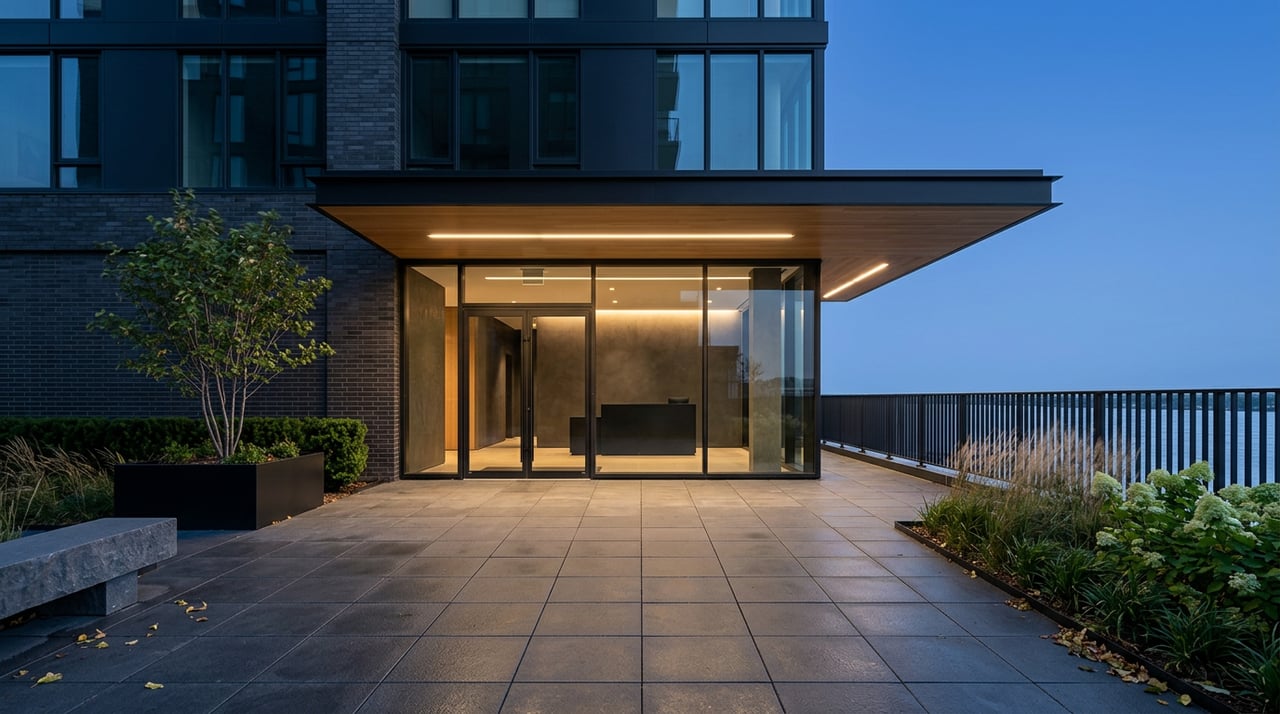
- Parking and amenities. Dedicated or guaranteed parking is a major edge in Hudson River towns. Doorman or concierge, fitness rooms, and outdoor spaces help lower vacancy and support premium rents.
- Age and construction. Older full-service complexes may have higher fees for staffing and amenities. Newer buildings can have incomplete reserves. Read budgets, reserve studies, and any turnover or conversion disclosures carefully.
Unit selection strategies
Your unit should be easy to rent and easy to resell. Favor these characteristics:
- Broadly marketable layouts. Two-bedrooms and flexible 1BR+den plans tend to re-lease faster than unusual floor plans.
- Floor and exposure. Higher floors with clear river or skyline views typically command rent and resale premiums.
- In-unit convenience. Full kitchens, in-unit laundry, storage, and quiet HVAC systems add day-to-day value for tenants and buyers.
Financing and rental rules to know
Condo financing depends on project eligibility. Lenders often review reserves, litigation, insurance, and owner-occupancy before issuing conventional loans. Non-eligible projects may still close with portfolio or jumbo products, often with larger down payments or higher costs. Learn what lenders evaluate in the Fannie Mae condominium project standards.
If you plan short-term rentals, New Jersey applies state sales tax and an occupancy fee to many short stays, and local rules may require permits or limit use. Review state guidance in this New Jersey lodging tax overview and confirm current borough requirements with the Edgewater Borough Clerk and Tax Office before assuming STR income.
Quick yield example for context
The following is an illustration using recent market metrics, not a forecast. Always plug in building-specific numbers before you buy.
- Purchase price: $675,000 (median sale price, Feb 2026).
- Monthly rent: $3,565 (median long-term rent, Mar 2026).
- Gross annual rent: $3,565 × 12 = $42,780. Gross yield ≈ 6.3%.
- Illustrative annual costs:
- Property tax: about $10,300.
- HOA/maintenance: $11,500 (midpoint of common waterfront ranges).
- Insurance: $1,500 (owner HO-6 plus any gap; verify flood and master policy).
- Maintenance/capital allowance: ~1% of value ≈ $6,750.
- Vacancy/turnover: ~5% of gross ≈ $2,139.
- Total illustrative costs: ≈ $32,189.
- Net operating income before financing: ≈ $10,591. Net yield ≈ 1.6% pre-finance.
Interpretation: waterfront demand is strong, but HOA fees, taxes, and insurance drive the spread between gross and net. Your job is to buy the right building and the right unit so rentability is high and surprises are low.
Your on-site evaluation checklist
Use this list when you tour and request documents. Verify each item with the HOA and your lender.
- HOA operating budgets for the last 3 years, current reserve balance, and the latest reserve study. Cross-check with lender criteria in the Fannie Mae condominium project standards.
- Board minutes for 12 to 24 months showing any special assessments, lawsuits, or capital projects.
- Master insurance certificate and flood policy details: limits, deductibles, and what the HOA covers versus the unit owner. Use the Bergen County flood hazard mapping status report to understand local risk.
- Owner-occupancy ratio, rental caps, and investor concentration.
- HOA fee breakdown and inclusions: parking type (deeded, assigned, or waitlist), utilities, and common charges.
- Comparable rentals and sales in the same building and neighboring waterfront complexes, time-adjusted to the current month.
- Flood zone determination for the address and elevation certificate for the building or unit.
- If planning STRs, confirm registration and tax requirements with the Edgewater Borough Clerk and Tax Office and review state-level rules in the New Jersey lodging tax overview.
Key risks and how to mitigate
- Flood and sea-level exposure. Verify elevation, ask about bulkhead or seawall maintenance, and confirm how capital repairs are funded. Review the county’s flood hazard report and get insurance quotes in writing.
- HOA reserves and governance. Require full financials, a recent reserve study, and clarity on any pending litigation. Align your offer timeline with document review.
- Investor concentration. High rental shares can reduce the buyer pool and affect financing. Confirm ratios and any rental caps with management.
When Edgewater condos make sense
You win as a long-term investor when you combine a financeable building, strong reserves, and an in-demand layout with parking and amenities near transit. Expect gross yields in the mid-single digits and underwrite conservatively for HOA fees, taxes, and insurance. If your plan prioritizes steady occupancy, appreciation potential tied to the Hudson waterfront, and low operational friction, Edgewater can be a smart buy-and-hold.
Ready to evaluate buildings and run the numbers on specific units? Connect with the team that lives this market every day. Partner with JC Luxury Group to compare buildings, analyze HOA health, and craft an offer strategy that fits your goals.
FAQs
Are Edgewater waterfront condos good 10-year holds?
- They can be if the HOA has strong reserves, fees are predictable, the unit has a marketable layout with parking, and flood exposure is quantified and insured.
How do HOA fees impact my cash flow in Edgewater?
- HOA fees in full-service waterfront buildings often run near $900–$1,200+ per month and, along with taxes and insurance, are the main drivers compressing net yield.
What commuting options support rental demand in Edgewater?
- NY Waterway ferries and River Road bus routes offer Manhattan access, and proximity to waterfront retail supports daily convenience that renters value.
What should I review in a condo’s HOA documents?
- Request 3 years of budgets, the reserve study and balance, board minutes, insurance certificates including flood, owner-occupancy ratios, and any pending assessments.
Can I use short-term rentals to boost returns in Edgewater?
- Maybe, but confirm state lodging taxes and local registration or limits with the borough before relying on STR income, since rules and fees can change.